
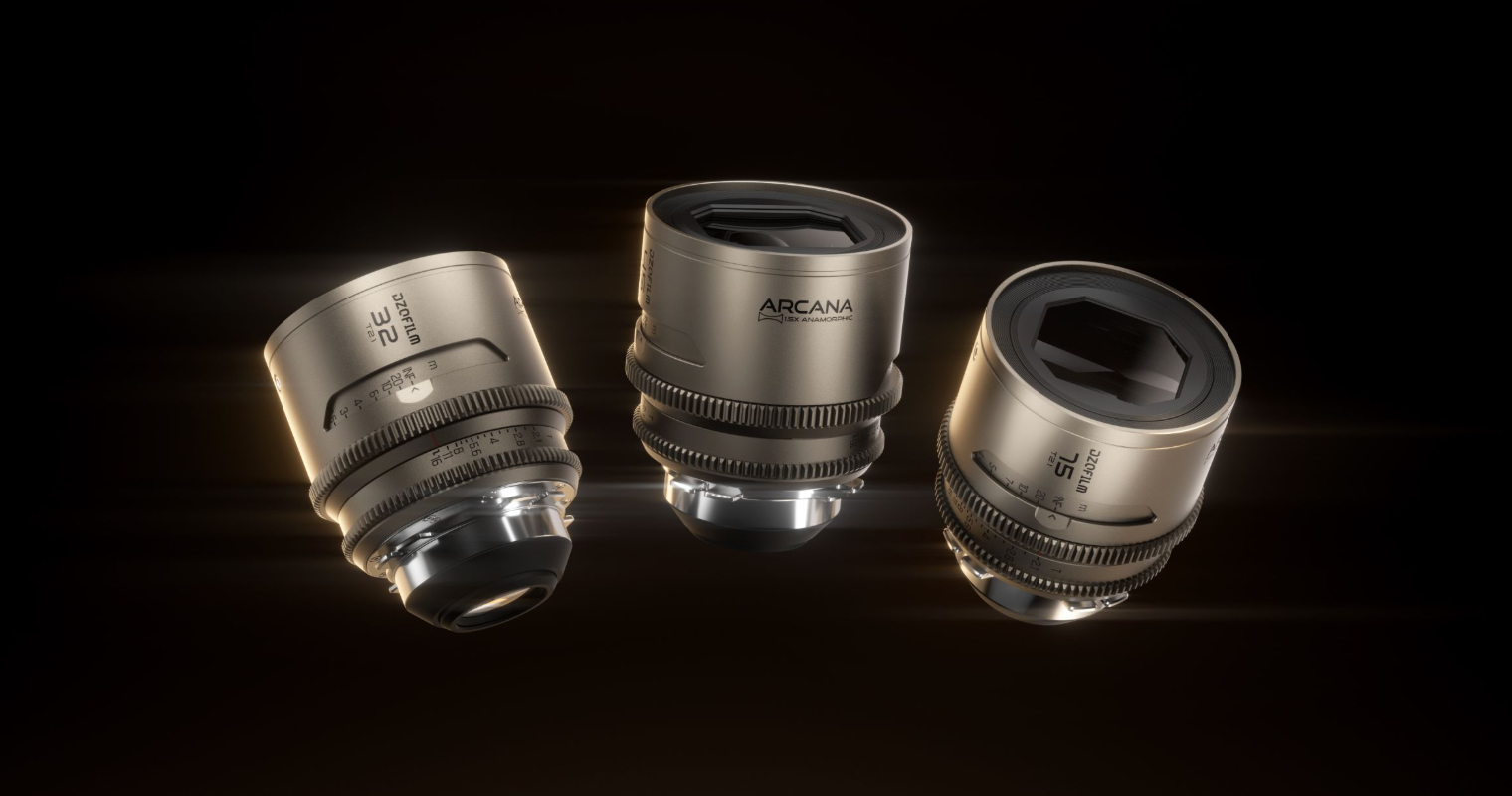
2025.12.18
Anton Usikov
In the fast-paced world of commercial cinematography, the balance between portability and high-end image quality is often the ultimate challenge for a Director of Photography. This is especially true when the location is as remote as the Gobi Desert.
In this insightful Q&A, Ukrainian-born cinematographer and ASC Vision mentee Anton Usikov takes us behind the scenes of his 2021 fashion campaign shot in the vast dunes of Ningxia, China. He shared his firsthand experience of using the DZOFILM Vespid Prime lenses. From the importance of "tasteful sharpness" to the practicalities of a lightweight design, Anton discussed how to create a "golden" look in the modern era.
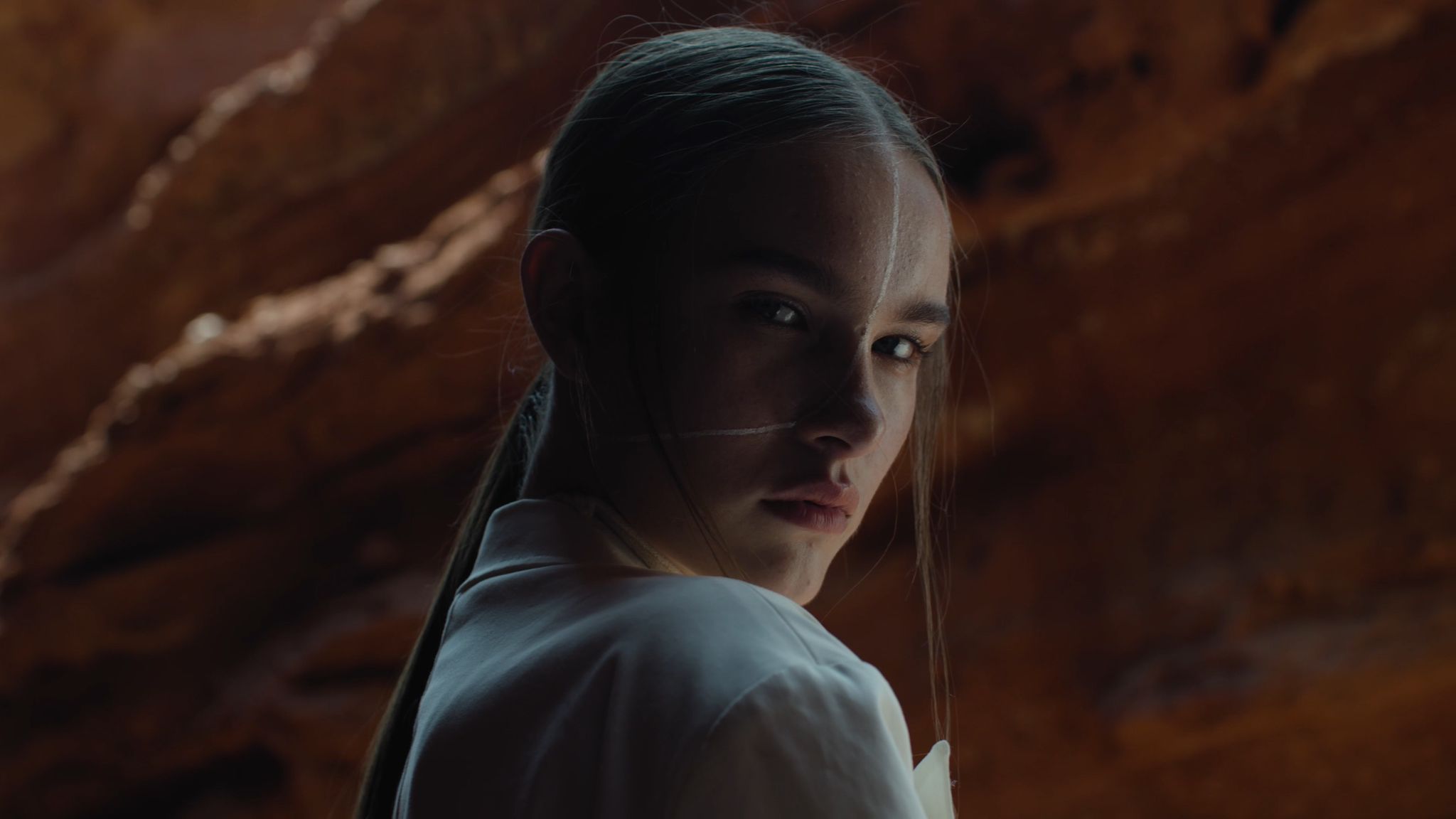
Still image of SELFWHO fashion campaign
1. Can you tell us about the film you recently worked on and introduce yourself?
My name is Anton Usikov, I am a director of photography from Ukraine. I started my career from shooting small Kickstarter and Indiegogo commercials in Shenzhen, China in 2015. Since then, the work has taken me all around China, then the UK and most recently the US. I have had the privilege to shoot commercials for ASICS, OnePlus, JP Morgan and Hennessy with an A-list actor from China - Dylan Wang. I’m beyond grateful to have been accepted into the ASC Vision mentorship program this year. I started making social media content about cinematography and lighting this year, check out my Instagram :) @anton.usikov.dp
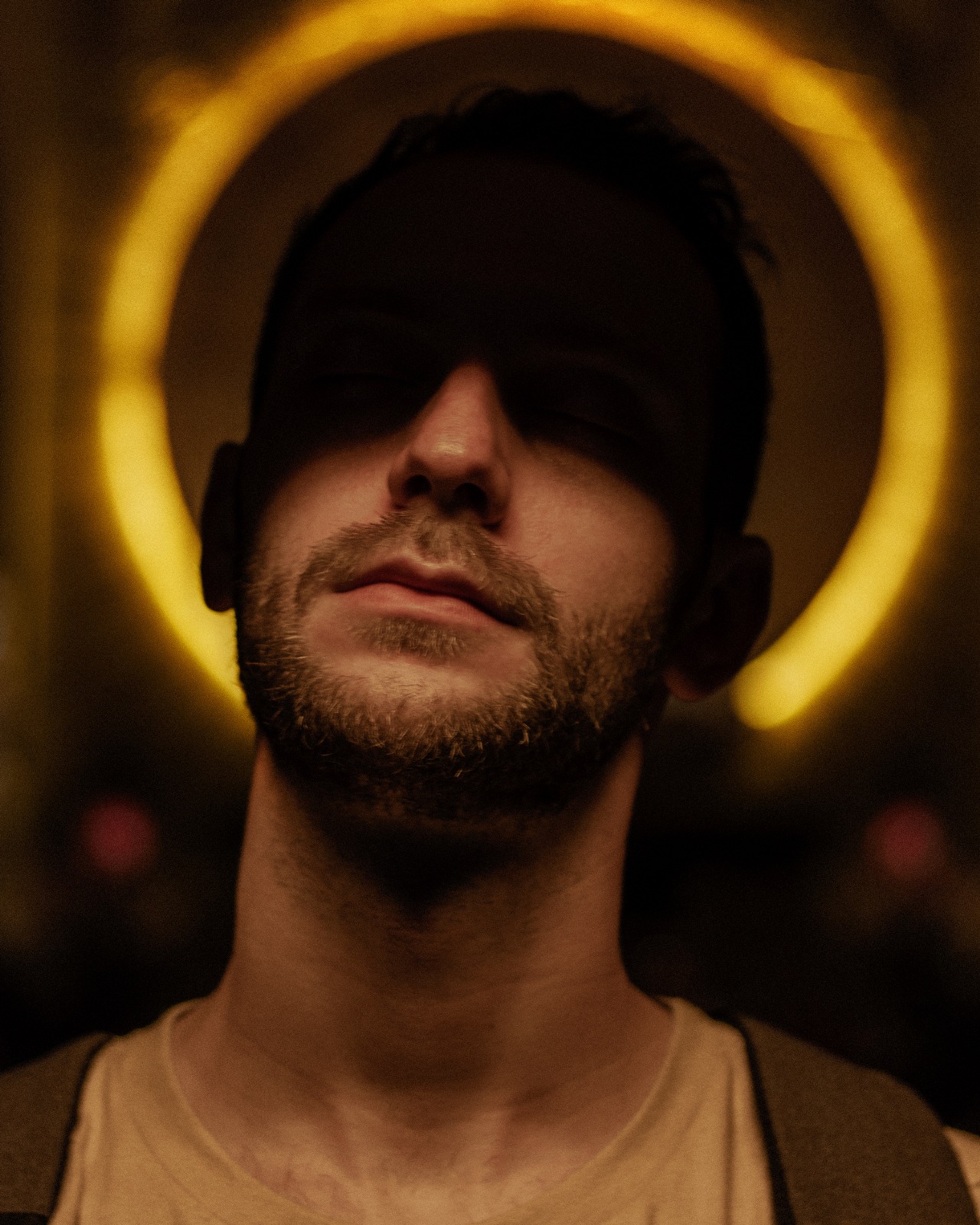
Anton Usikov
2. What specific camera did you choose for your latest film, and why VESPID RPIME lenses influenced your decision?
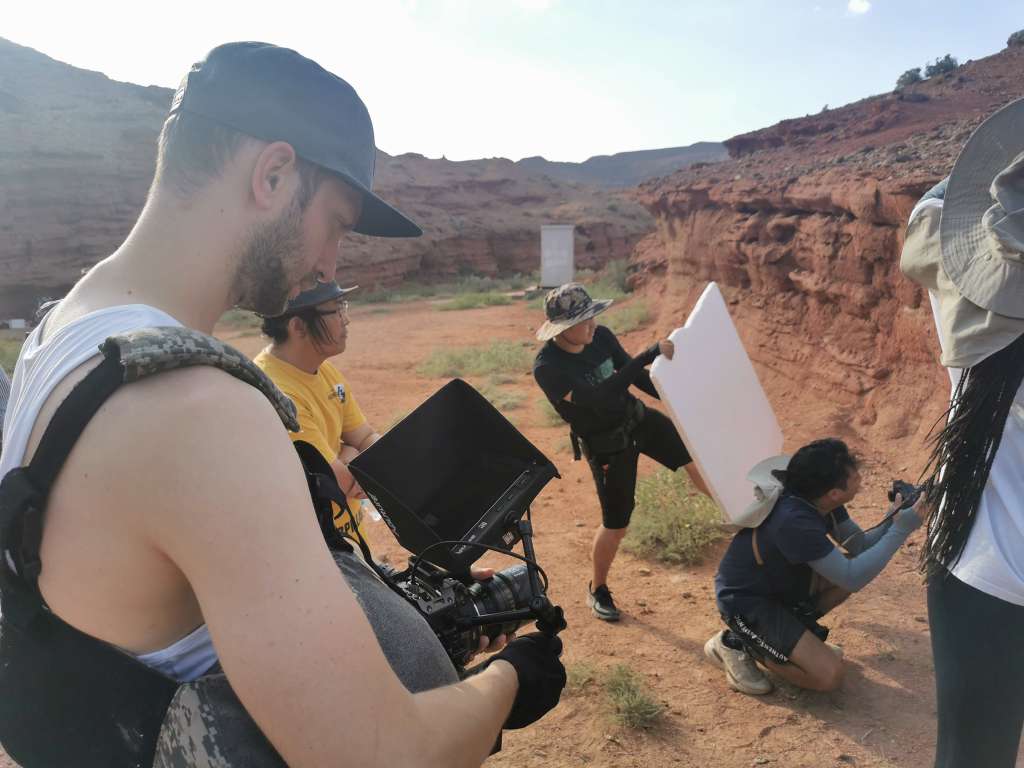
The project I wanted to share today is a fashion campaign video for a clothing brand shot in the Gobi Desert, Ningxia in 2021. For this project we had to stay lightweight, as we were trying to hit many remote places that can’t be reached by car. It was my first time trying the Vespid primes, and I was pleasantly surprised with their performance. They’re lightweight, compact and easy to work with, and the build quality felt really solid too. The focus ring was extra smooth and an extra nice thing about them was that the front filter thread was a universal 77mm which was perfect since all my filters were that size.
3. In what ways do you believe the choice of VESPID PRIME lenses affects the storytelling in your films?
The image they produce is tastefully sharp which is perfect for a commercial look. I don’t know what they did to the coating, but the flares look very pleasing. The look vespid primes create strikes a healthy balance between an artistic distortion and photographic sharpness. There’re a time and place for each, but this was a true golden find for me.
.jpeg)
4.What challenges did you face when using VESPID PRIME lenses, and how did you address them?What initially drew you to them?
The lenses were a joy to work with honestly, the only thing that was annoying was that we had to carry the case with us. If you guys invented a drone case that can carry lenses, that would be fantastic ha-ha. Jokes aside, vespid primes were some of the most solid lenses I’ve ever worked with.
5. What advice would you give to new filmmakers regarding the selection and use of camera equipment to enhance their films?
.jpeg)
6. Are there any emerging trends in cinema lenses that you find particularly exciting or promising for future projects?