
2025.12.25
In this insightful conversation, we sit down with Thomas Teissier, a distinguished French freelance director and cinematographer whose decade-long career has taken him to the high-stakes world of international advertising. Known for his ability to translate complex human emotions into striking visual narratives, Teissier recently collaborated with filmmaker Florent Piovesan on a visually evocative project titled "Will."
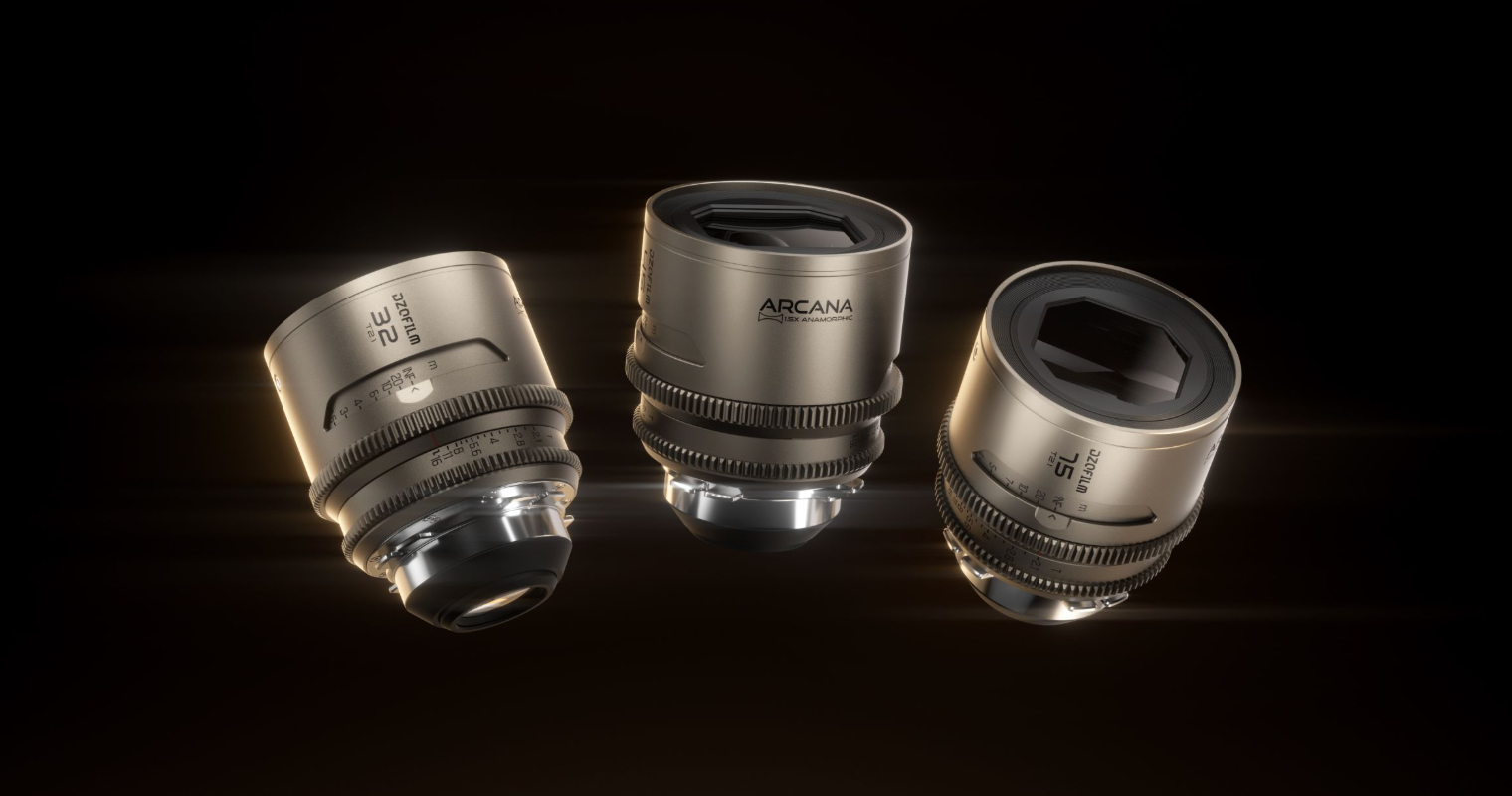
Leveraging the cutting-edge capabilities of Blackmagic Design’s Pyxis and URSA Cine cameras paired with Pavo anamorphic lenses, Teissier shares his technical expertise on achieving a vintage cinematic aesthetic by using Pavo Anamorphic lenses and precise lighting, overcoming the physical challenges of professional rigging, and why a filmmaker’s perspective on light is ultimately more important than the gear in their bag.
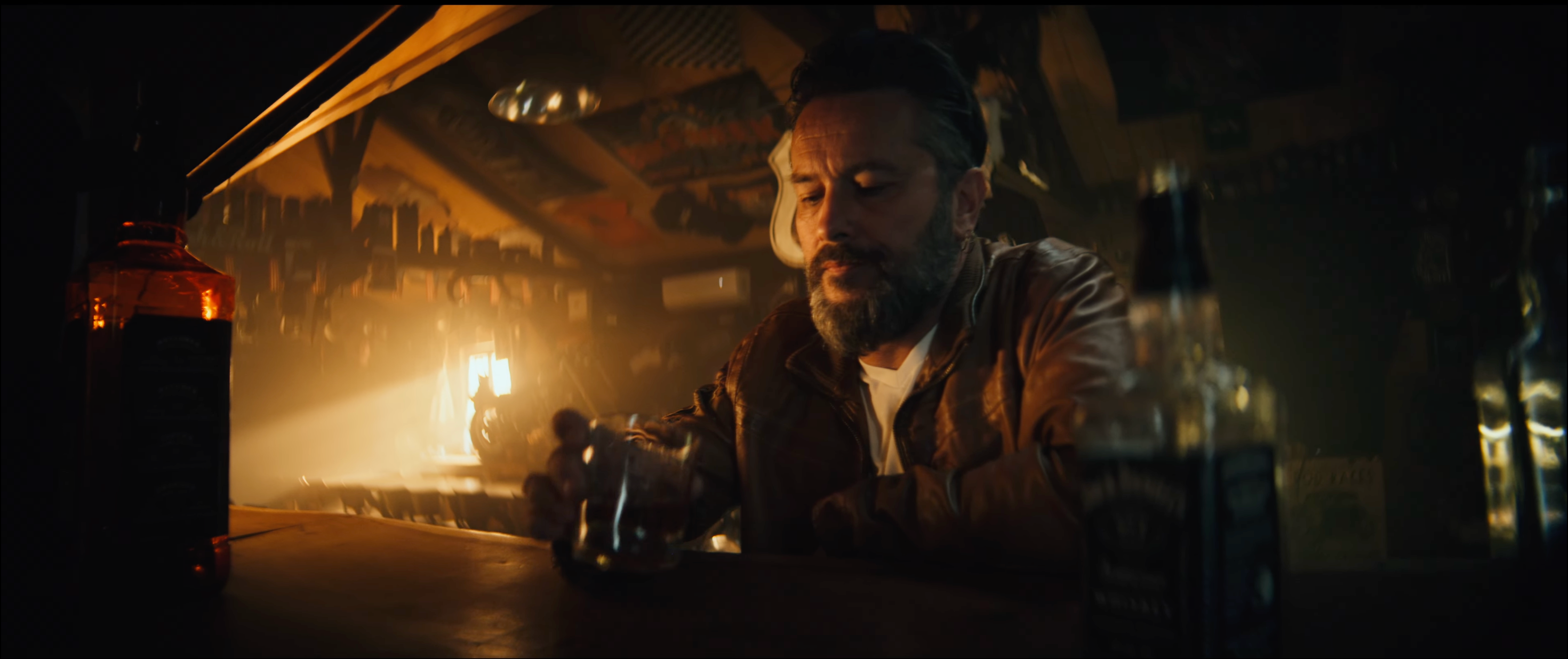
Short Film Will by Thomas Teissier
1. Can you introduce yourself?
I’m Thomas TEISSIER. I'm a French freelance director and cinematographer. I started freelancing nearly ten years ago, in 2016. I began this journey as a videographer, and over the years, I’ve gradually shifted my focus toward directing and cinematography. Throughout the past decade, I’ve had the opportunity to work on a wide range of both professional and personal projects around the world — in the US, Japan, Morocco, Iceland, Switzerland, England, and beyond — covering dance films, tourism videos, and lately, international advertising campaigns. I see my work as a powerful tool to transmit, create, and share positive emotions through my films, where every aspect — writing, shooting, editing, color grading, sound design, etc. — can be creatively used to serve this purpose.
2. Can you tell us about the film you recently worked on and its project name?

3. What specific camera did you choose for your latest film, and how did Pavo anamorphic lenses influence your decision?
4. In what ways do you believe the choice of Pavo anamorphic affects the storytelling in your films?
There are specific features I love about the Pavo anamorphic lenses that affect storytelling in my film. The first one is the barrel distortion. I love the way it makes the character pop out of the image, allowing the viewer to focus more on the actor's emotions. It creates a sense of depth that is very specific to this kind of distortion.
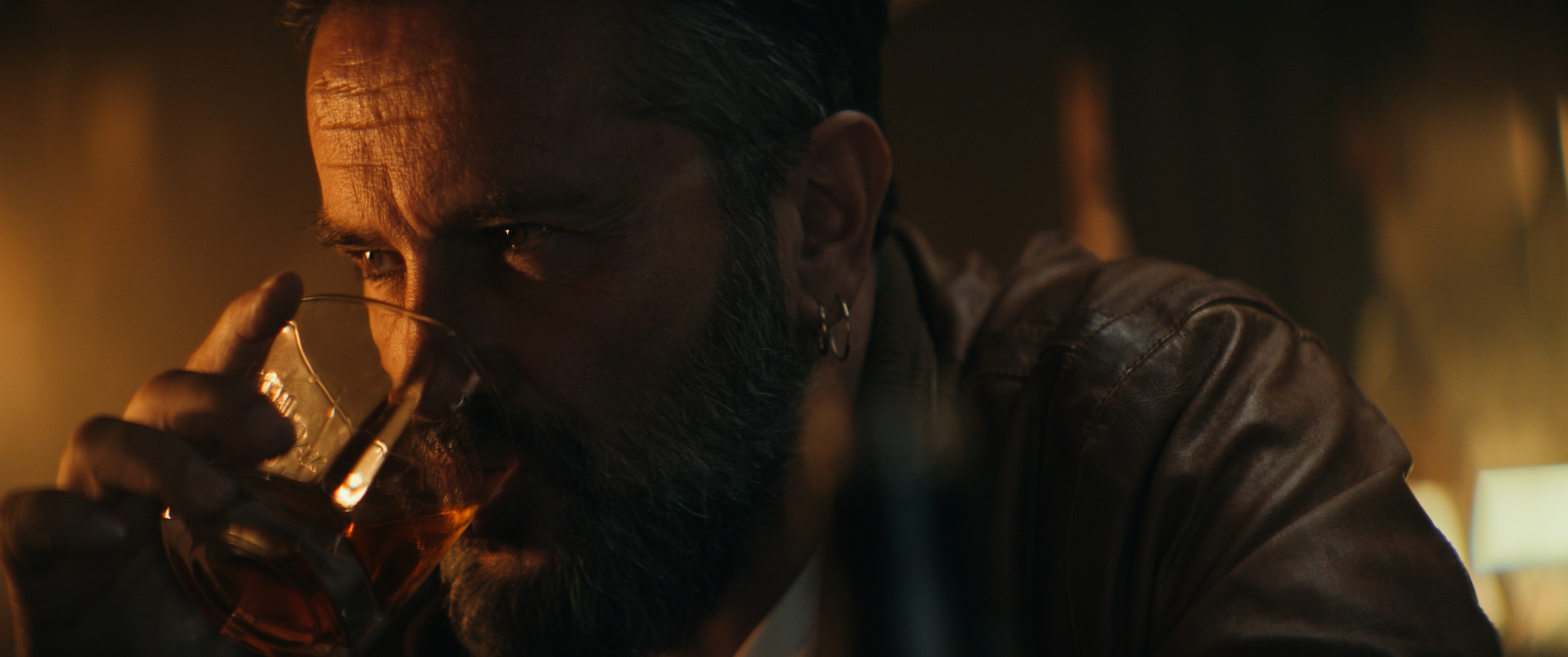
Close-up Shot on Actor
5. What challenges did you face when using Pavo anamorphic, and how did you address them? What initially drew you to them?
I’d say there are two challenges:
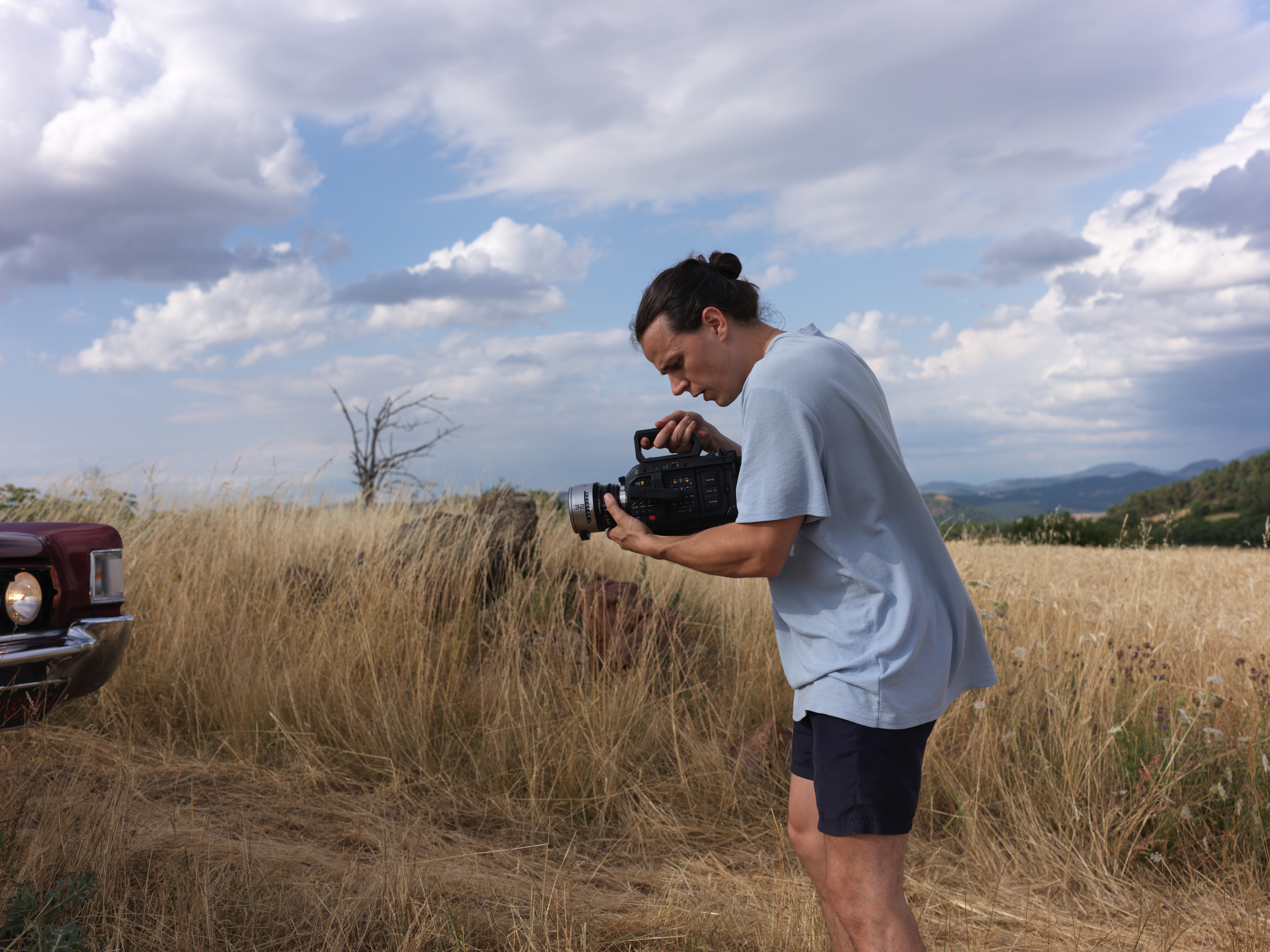
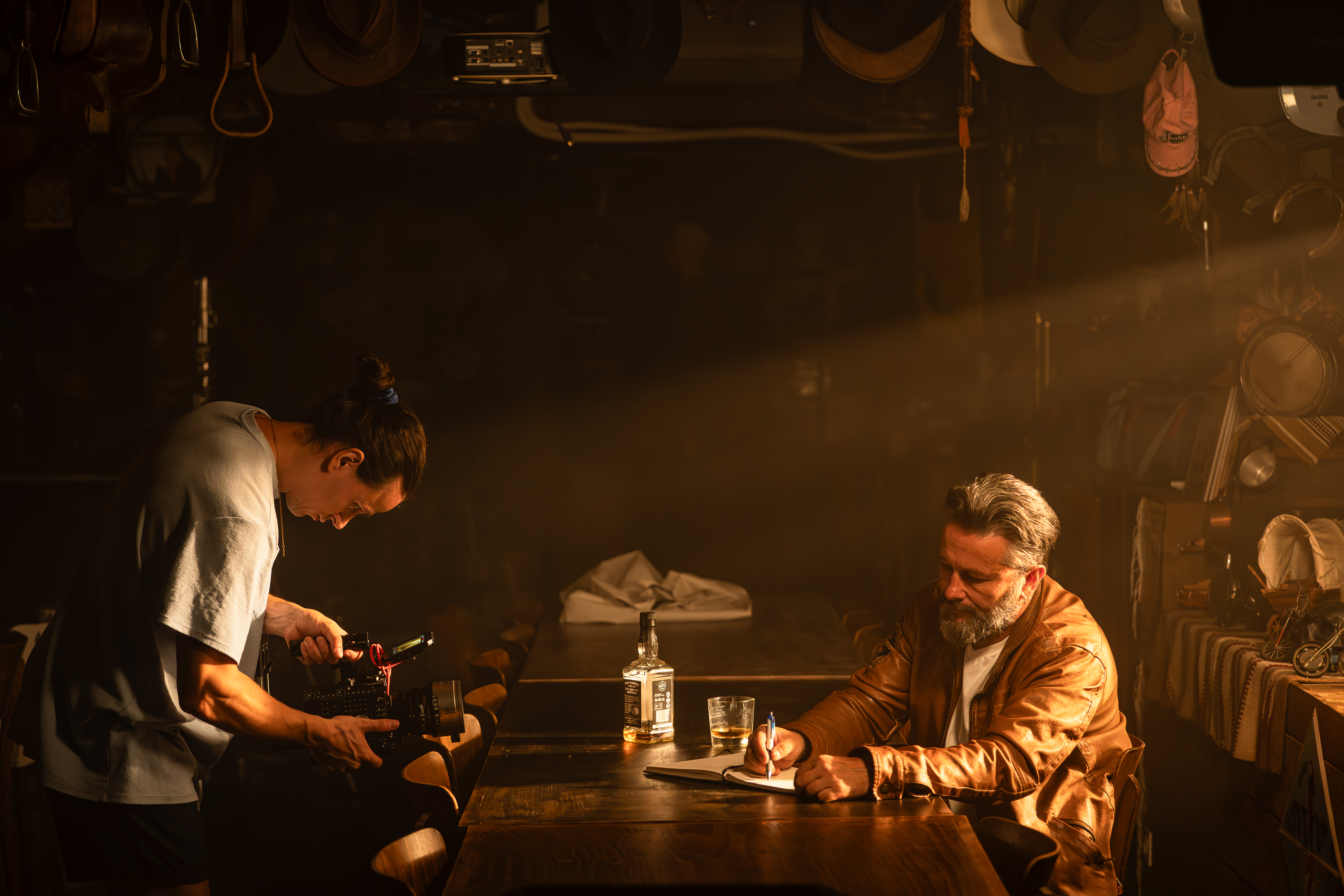
● First: the lenses are pretty heavy, which easily makes the rig front heavy if you don’t have anything to counterweight. I actually enjoy working with a heavier rig when shooting handheld, since it helps me achieve more organic camera movements. To solve this and create a well-balanced setup, I simply added a large V-mount battery to the rear of the camera.
● Second: when shooting anamorphic, you’re often limited by the close-focus capability of the lenses. I usually solve this issue with diopters. Unfortunately, I didn’t have the right ones for these lenses during this shoot. Luckily, the 65mm in the PAVO set has an excellent close-focus distance (36 cm) with a magnification ratio of 1:2, which allowed me to capture close-up shots without the need for diopters.
6. What advice would you give to new filmmakers regarding the selection and use of camera equipment to enhance their films?
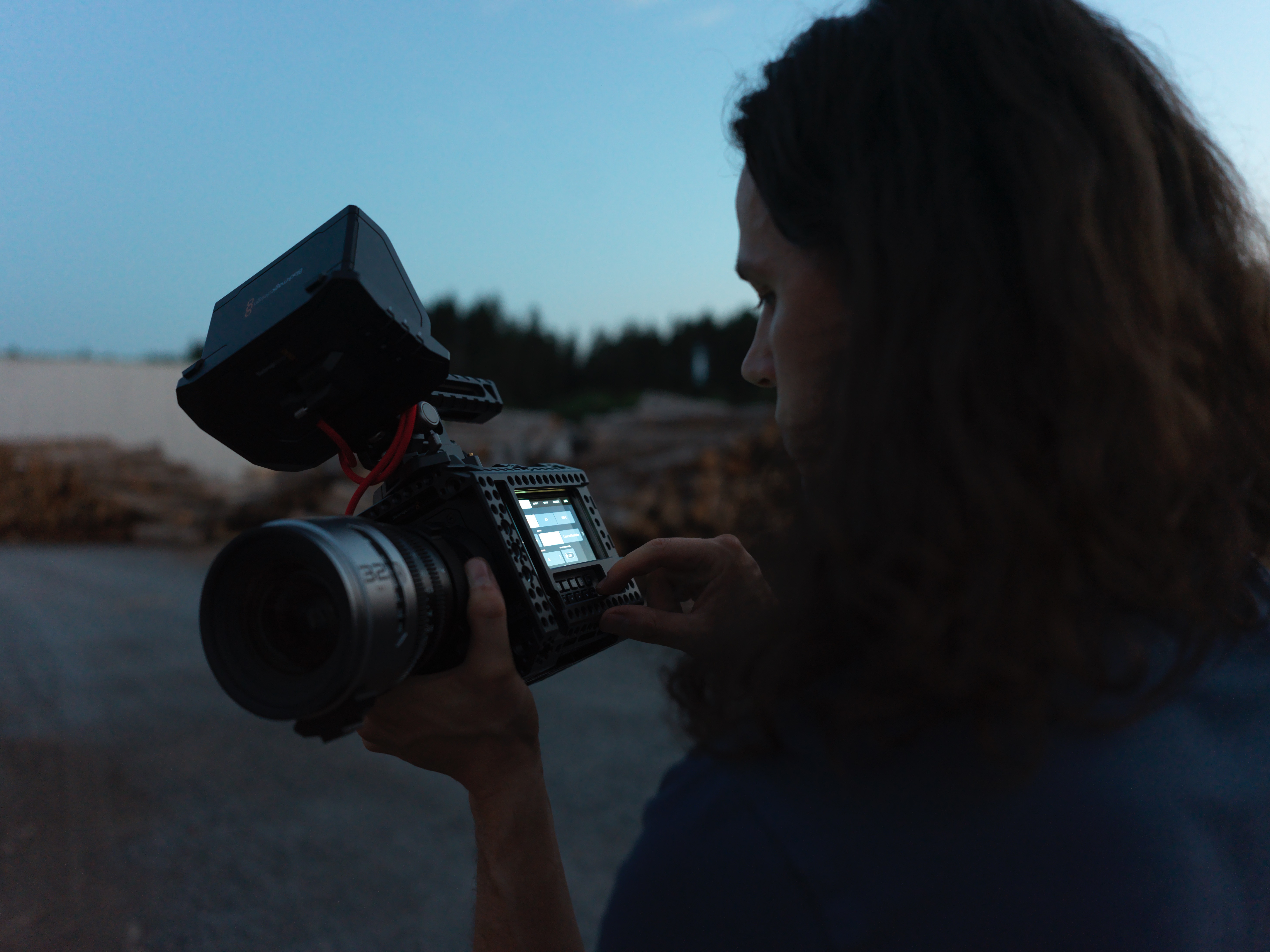
There would be so many things to say. It also depends on the kind of films you intend to do/work on. Generally speaking, I’d say that the look of your image depends on a set of things (light, set design, color grading, framing, lenses…). Of course, some are related to gear, but a lot of them aren’t. Nowadays, almost all the recent cameras have strong features when it comes to codec, dynamic range, resolution, frame rate, etc. Personally, for many different reasons, I opted for BMD cameras. I bought my first one (BMPCC 4k) back in 2019. It was the best value for money for what it delivers in terms of images (Braw, 12bit, color science…) and in my opinion, it still is the case for their more recent ones. But I’d say that what matters most is your outlook on the world.
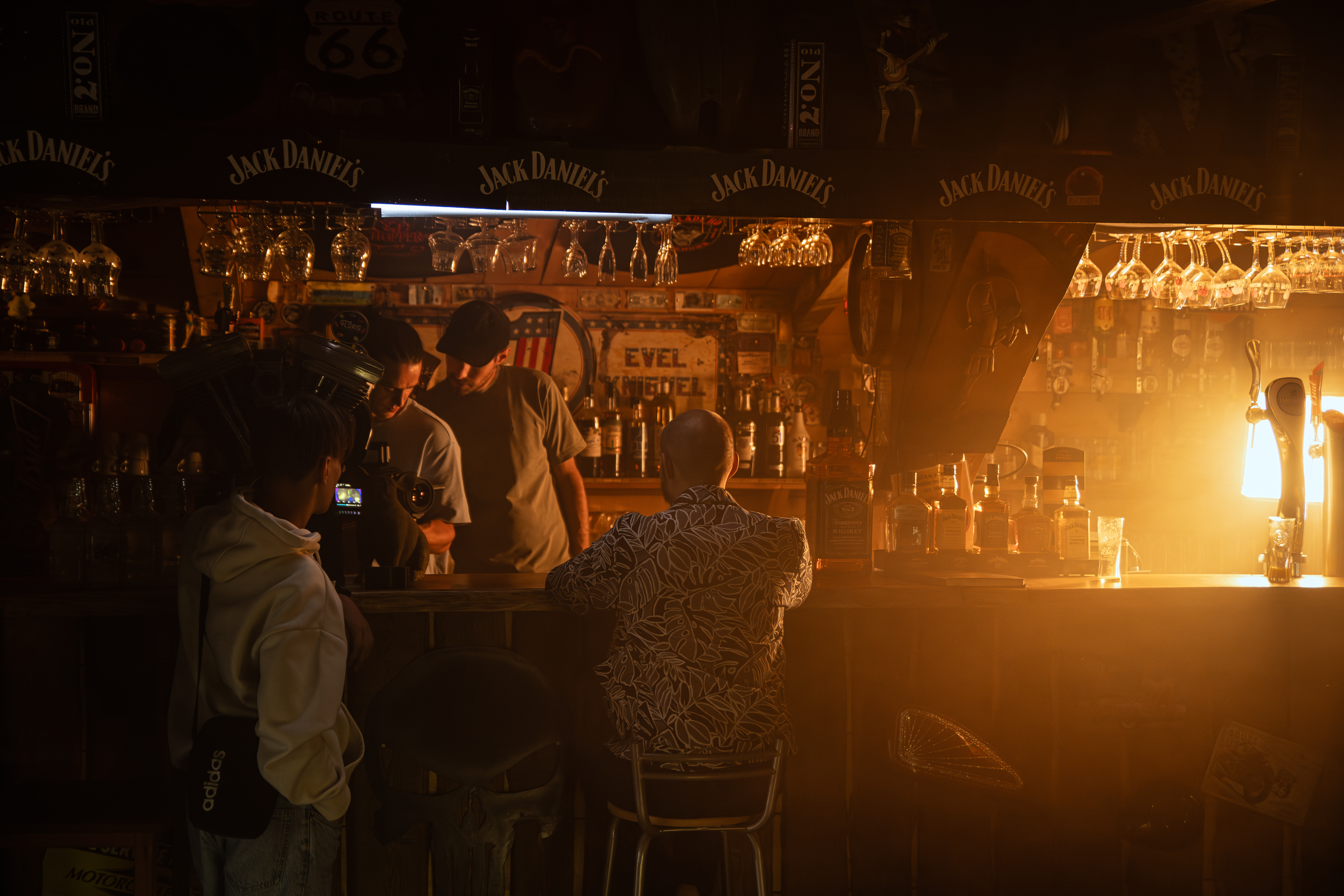
Personally, when I started to focus more on developing my cinematography skills, I began to observe light everywhere—how it interacts with human faces depending on the environment I was in. Then I started to look for moments when it would look good and think about how I could frame it to make it look even better. When that wasn’t the case, I would think about how to improve it using tools like negative fill, diffusion, or reflectors—or even more advanced gear, such as lights.
7. Are there any emerging trends in cinematic lenses that you find particularly exciting or promising for future projects?
Optics brands tend more and more to release anamorphic lenses these past years. Each one of them having their own characteristics. I’m always curious to discover and try new innovations in this area.