
2025.12.29
In this insightful interview, filmmaker Brett Hoffman shares his experiences and artistic vision while working with Vespid Prime lenses. From his early days filming climbers in the Rockies to directing award-winning documentaries, Brett discusses the critical role that lens choice plays in storytelling. He reflects on the challenges and triumphs of recent projects, including a commercial for a luxury furniture company, and provides valuable advice for emerging filmmakers. This conversation offers a glimpse into the world of cinematic creativity and the tools that shape it.
Can you introduce yourself & your film career?
Brett Hoffman, a San Diego–based director and founder of Nautilus Studios, specializing in documentary and commercial film. Who studied Film Rhetoric at Colorado State University and began his career filming professional climbers in the Rockies. After moving back to San Diego in 2020, he focused on underwater filmmaking, directing the first feature, SALTWATERx, which won eight international awards for best feature doc. Now directing Unmasked a feature doc about the cultural erasure in America and developing a series of high-end commercial projects set for release by mid-2026.

Can you tell us about the film you recently worked on and the film project name?
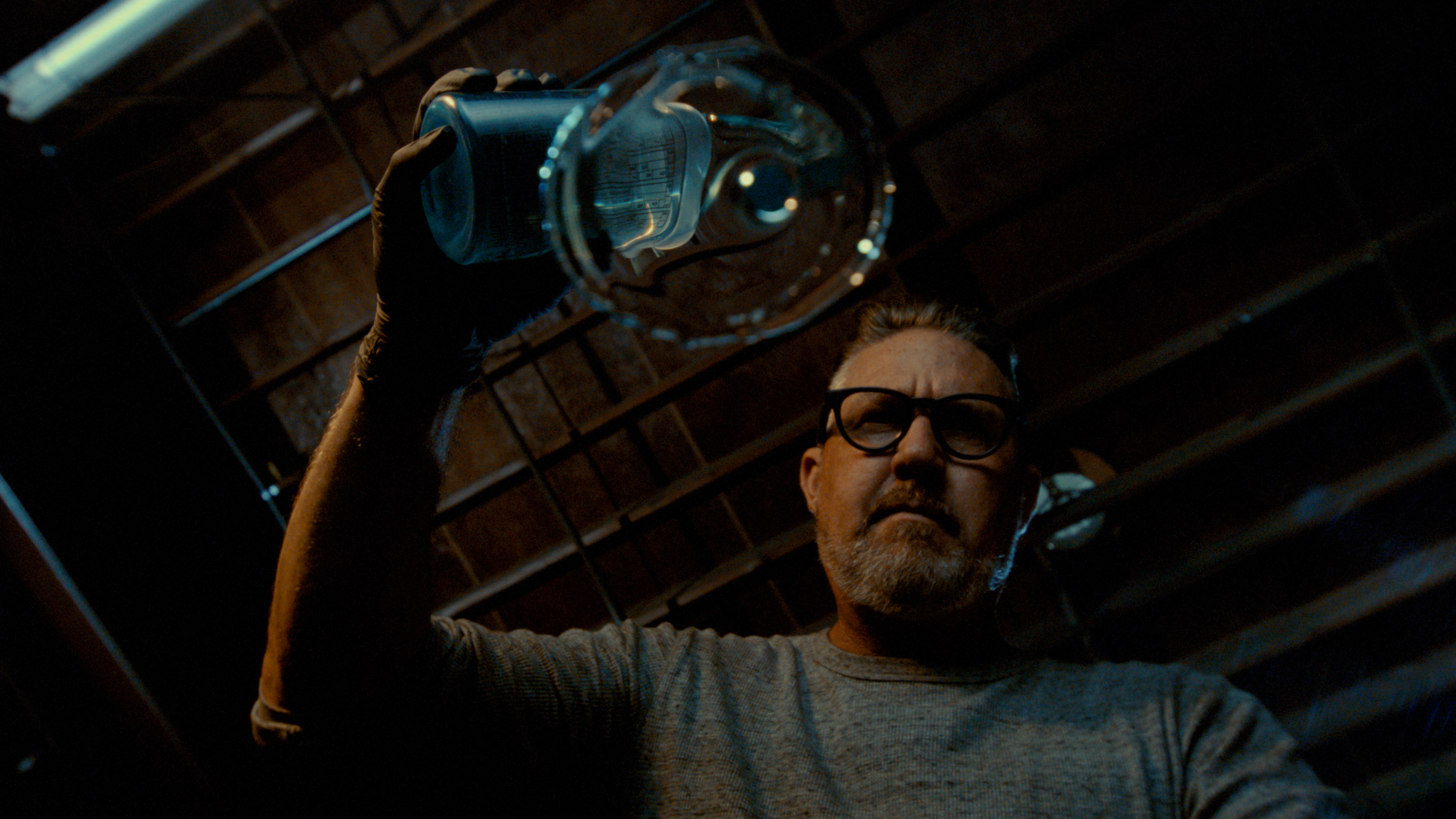
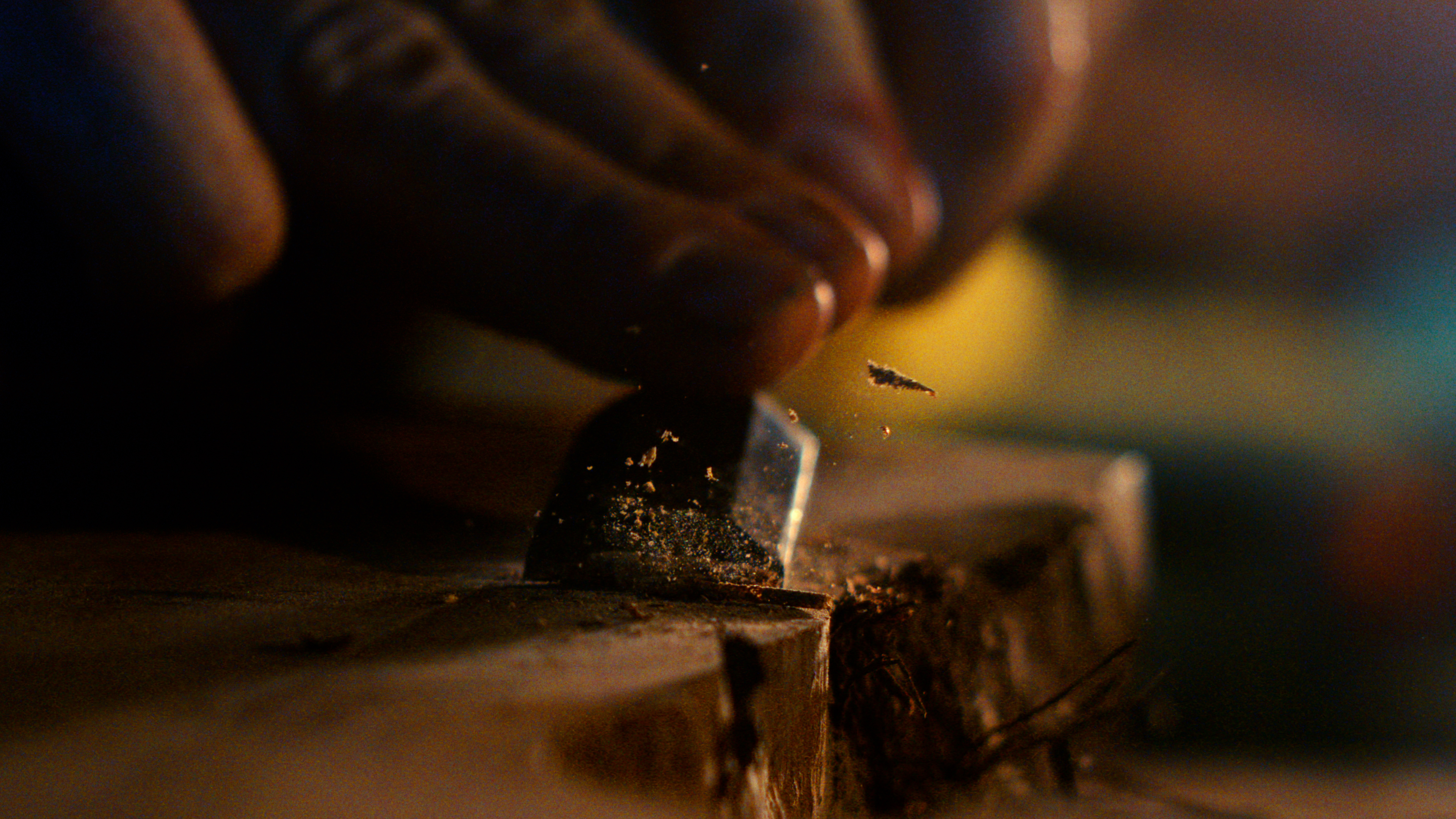
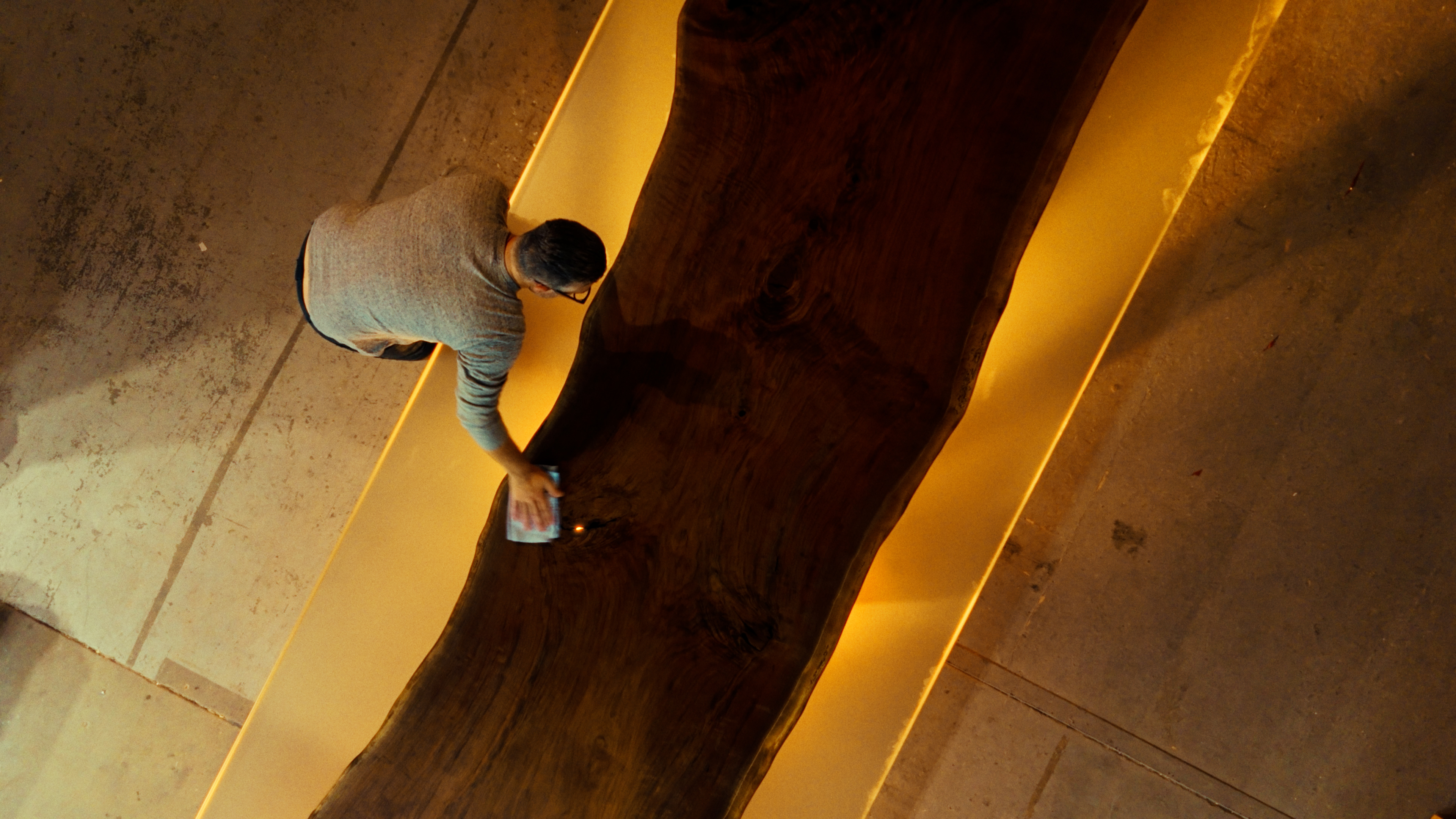
The film is a 45-second commercial for Old Fashioned Lumber, a high-end luxury furniture company. It follows the creation of a massive walnut and epoxy conference table, from reclaiming a dying tree to crafting a one-of-a-kind masterpiece. The piece is cinematic and immersive, blending moody visuals, slow motion, and detailed sound design to create one of a kind experience.
What specific camera did you choose for your latest film, and why vespid prime lenses influenced your decision?
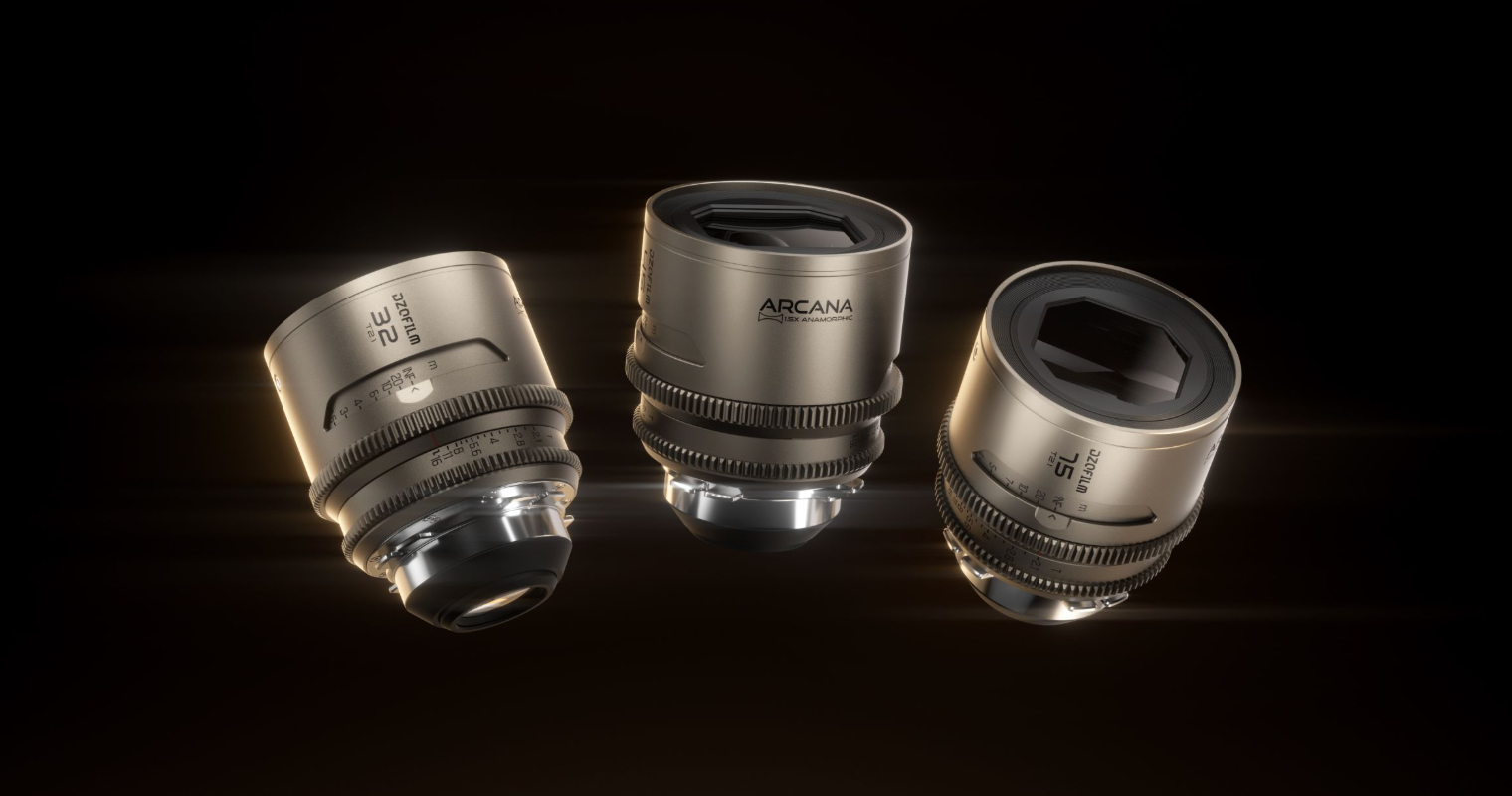
We used the Sony FX6, Freefly Ember S5K, and GoPro Hero 13. The Vespid Primes were chosen for their speed, clarity, and subtle character that complements the subject without overpowering it. They’re also durable and offer excellent close focus, perfect for the immersive POV style we wanted.
In what ways do you believe the choice of vespid prime affects the storytelling in your films?
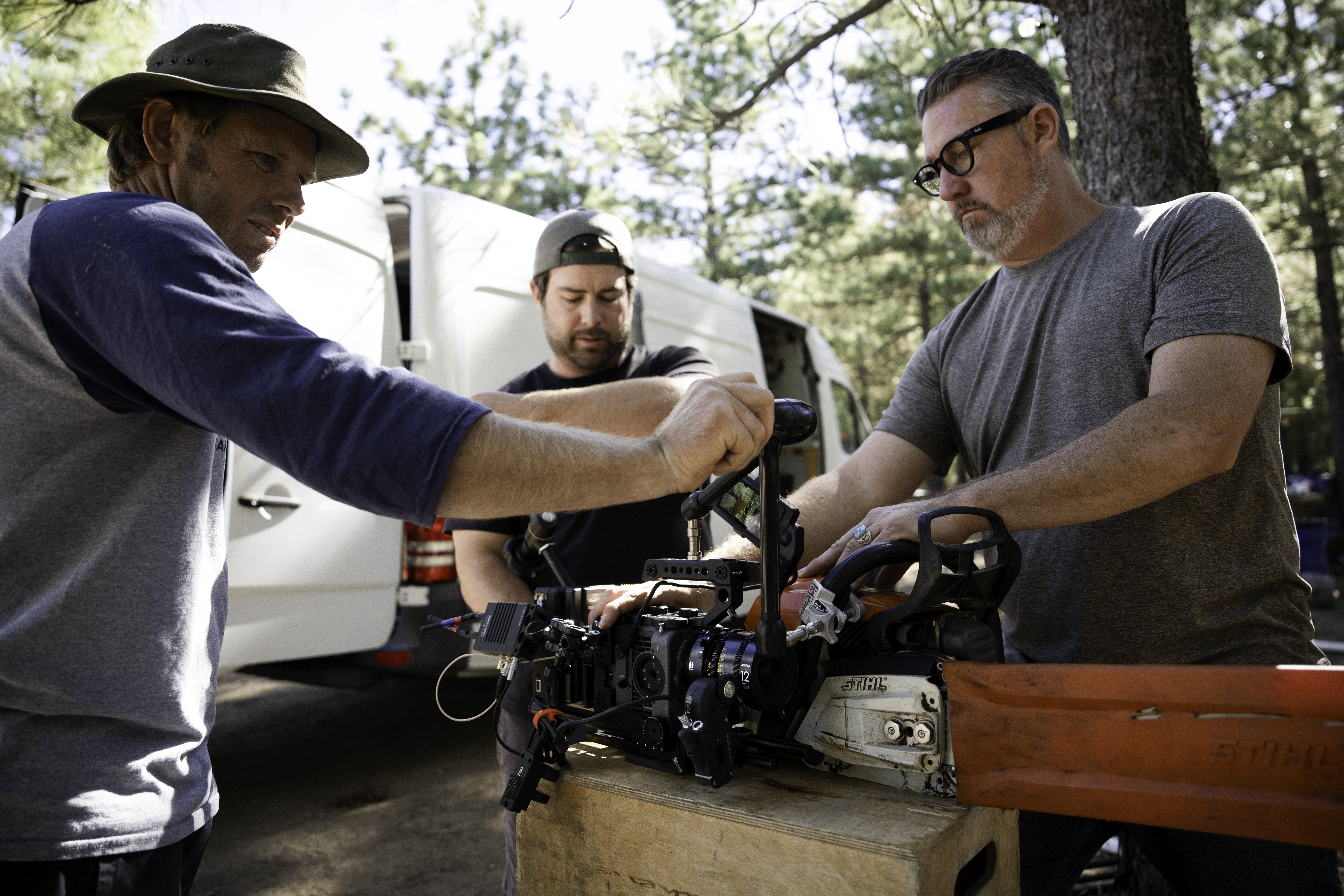
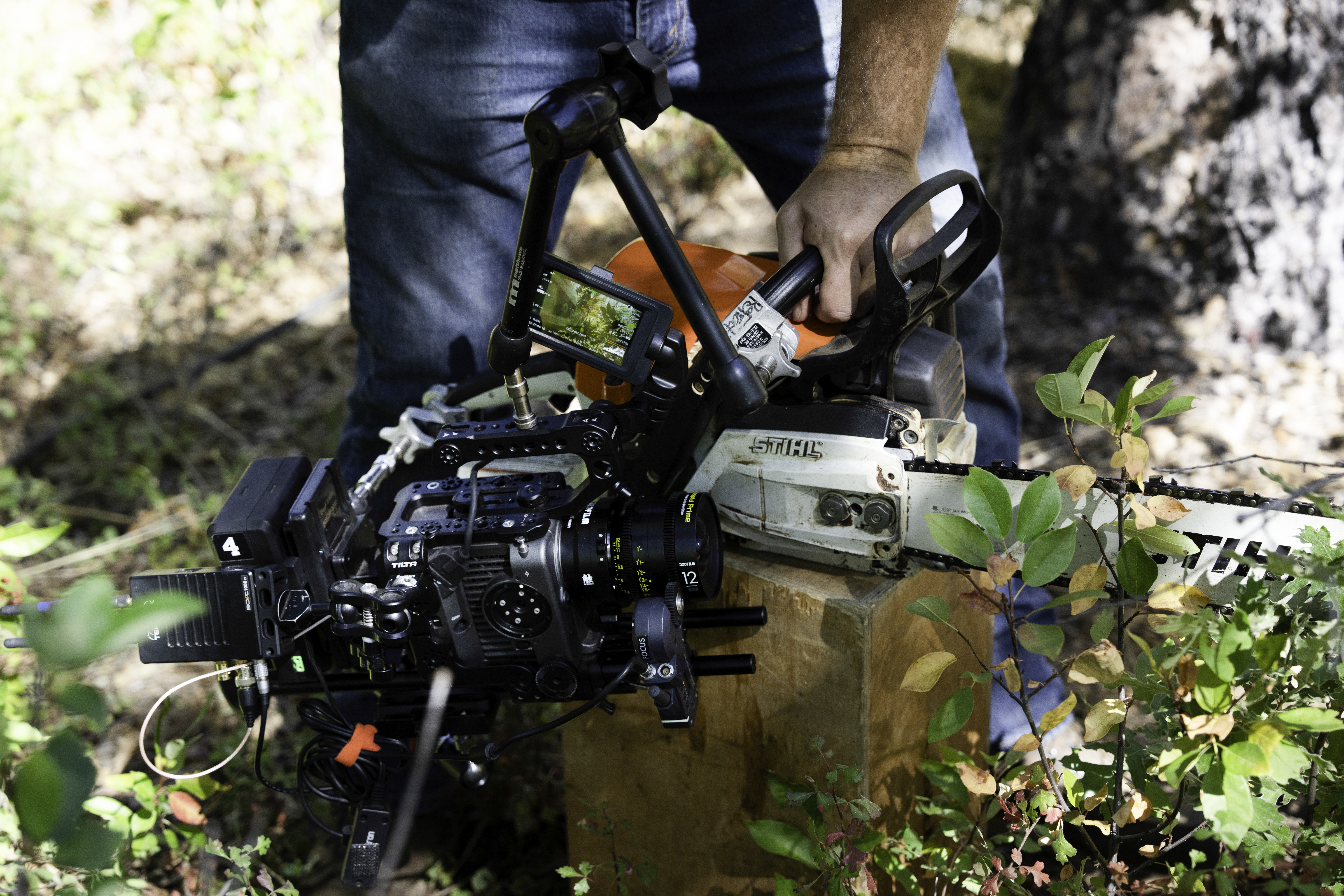
I wanted the audience to feel close to the craftsman, seeing and experiencing the work firsthand. The 12mm and 90mm Macro Vespids were perfect for that. Their close focus and organic character added warmth and intimacy, giving the film a tactile, cinematic quality that feels alive rather than overly sharp or sterile. We also needed lenses that were relatively lightweight in order for us to rig the camera to unlikely rigs like a chainsaw and measuring tape to achieve that highly immersive POV look.
What challenges did you face when using Vespid prime, and how did you address them? What initially drew you to them?
The 90mm Macro is one of my favorite lenses, but it’s challenging to keep in focus and needs to be stopped down, which demands more light. Using the Sony FX6 with its dual base ISO of 12,800 solved most of those issues.
What have you learned about cinematic products through your experiences? Have there been any surprising insights?
The biggest lesson is “buy it nice or buy it twice.” Cheap gear always costs more in the long run. I’ve learned that professional tools earn their reputation for a reason: they’re reliable. DZO stands out as a rare mix of affordability and pro-level performance, used even on major Hollywood sets.
What advice would you give to new filmmakers regarding the selection and use of camera equipment to enhance their films?
New filmmakers often obsess over camera bodies, but they matter far less than people think. Focus on building a skilled, passionate crew, invest in quality lenses and lighting, and treat the camera as the last priority. Great images come from teamwork and light, not just the sensor.
Are there any emerging trends in cinematic LENSES that you find particularly exciting or promising for future projects?
The advancements in probe lens technology really excites me. Getting a shot that you would otherwise not be able to see with the human eye is magical. I also embrace the trend toward a vintage looking image. I have my eyes set on the Arles Lustre for my next film.