
2025.12.31
How T1.4 Aperture Conquered Total Candlelight: Cinematographer Ruben Scott’s Technical and Creative Choices for WWF Earth Hour
1. Can we know more about you? (career, major, hometown, hobby)
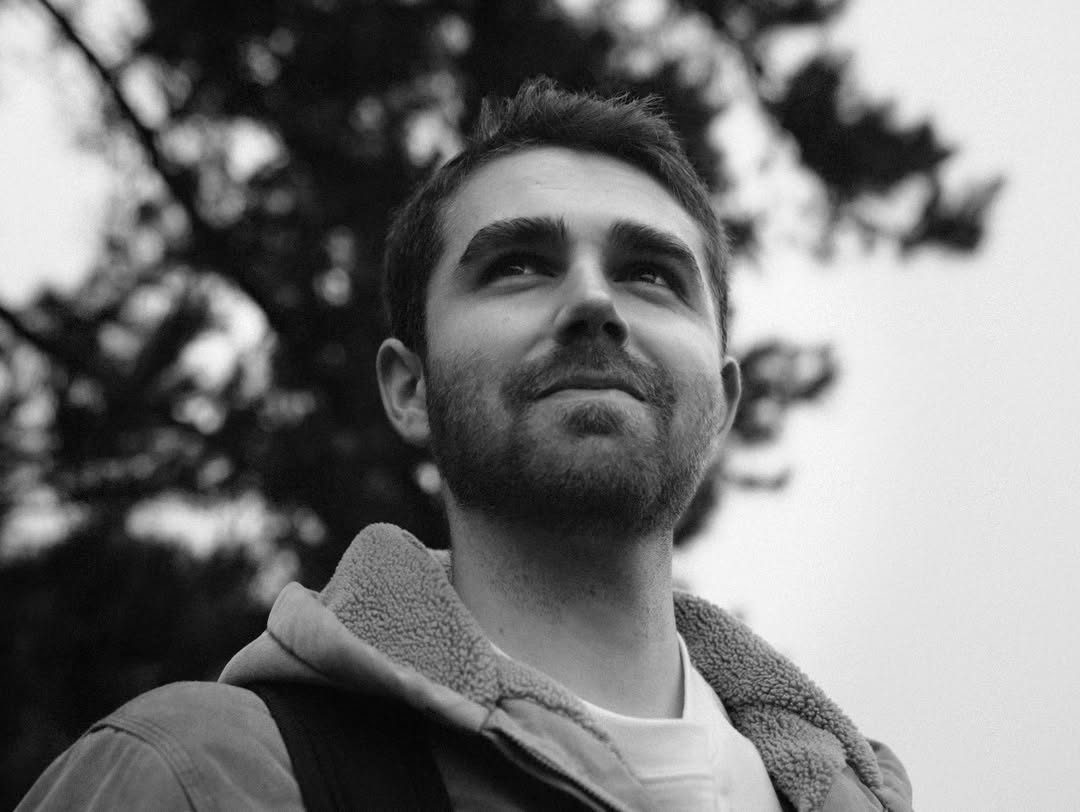
I’m Ruben Scott, a director originally from a small village in England. I studied at Vancouver Film School and went through the BFI Academy, and since then I’ve worked across Vancouver, LA, and now London.
I’m drawn to stories that mean something, whether that’s highlighting people doing important work or helping brands say something honest. I’ve directed films for brands like Nudie Jeans, Tony’s Chocolonely, The Body Shop, and WWF, and I’ve also done post work for HBO, shot for artists like LANY, and worked on commercials with SixTwentySix.
What I enjoy most is shortform content that connects with people and has something real to say.
2. Is it possible to know the purpose of this project? How did you get the inspiration?
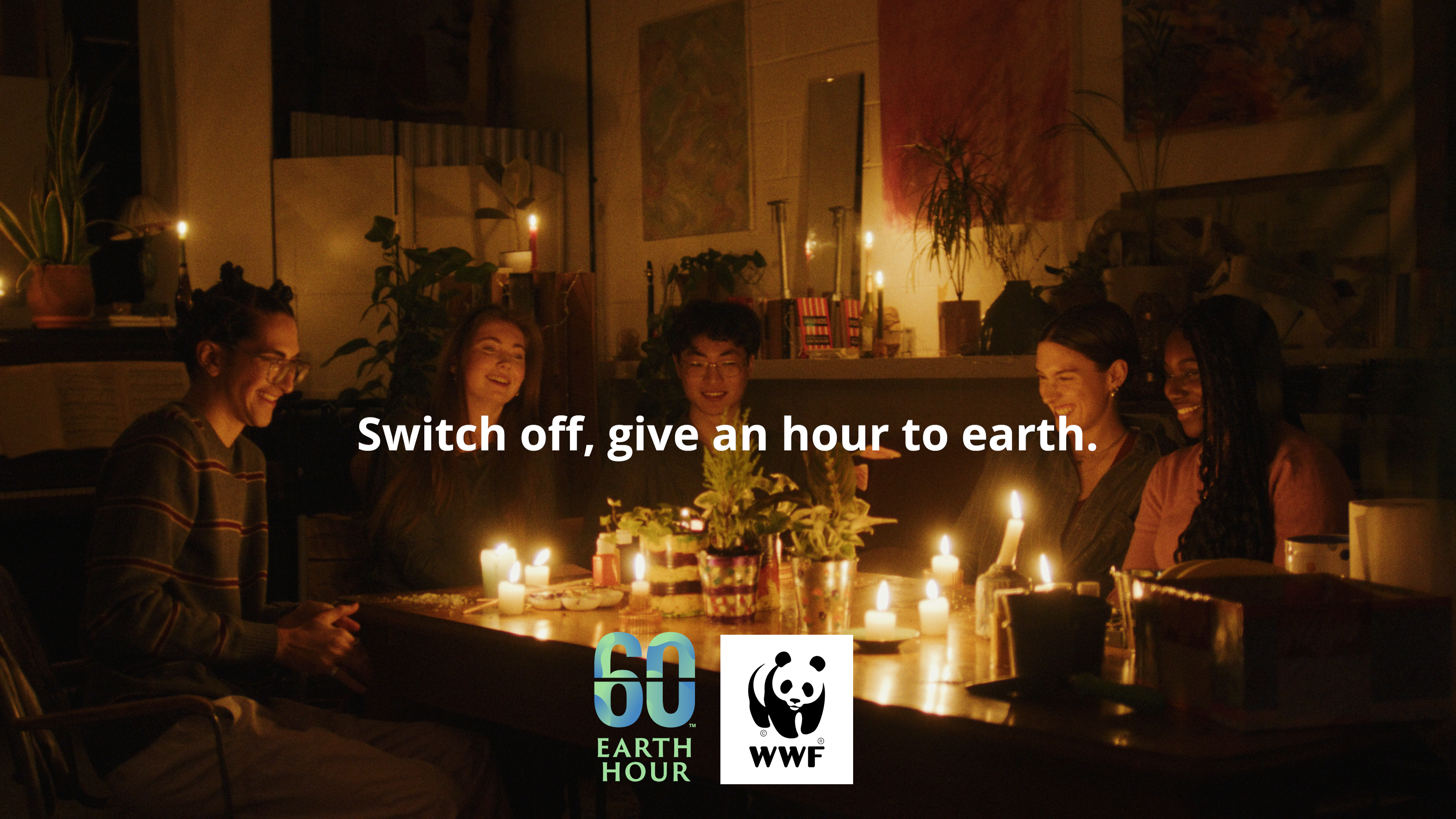
WWF Belgium asked us to create something for Earth Hour 2025, and the main challenge was finding a way to talk about big issues like climate change or biodiversity loss without sounding preachy or overwhelming. We wanted it to feel personal and useful, especially for a younger audience.
So we kept it simple: show people using the hour to pause and do something meaningful, whether that’s making art, spending time together, or just being still. The tone, colors, and music were all chosen to make it feel warm and calm. We didn’t want to lecture people, just to invite them to think about taking action.
3. Where did you know about DZOFILM? Why would you like to choose the Arles series for this project?
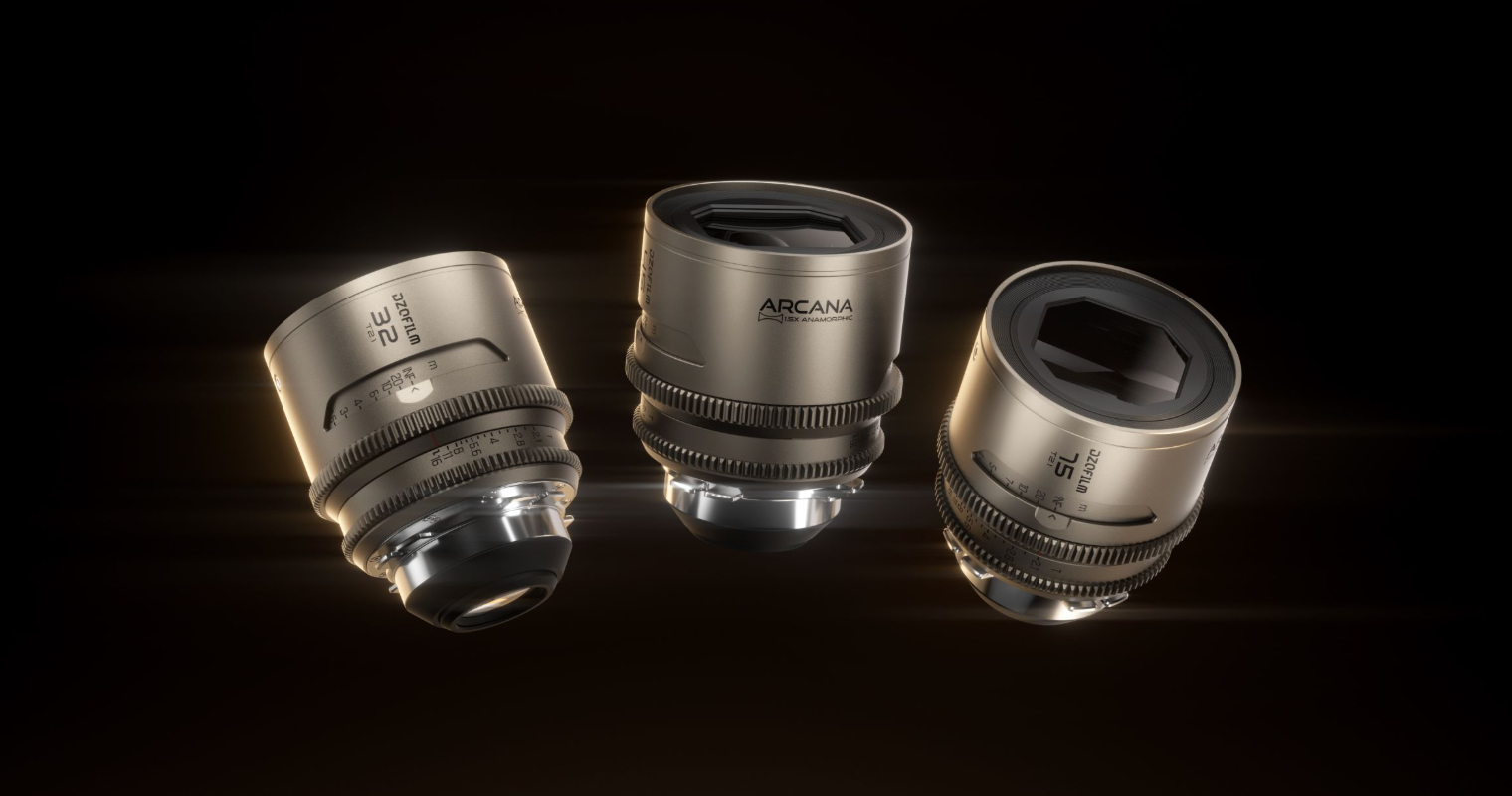
I’ve used DZOFilm gear on a few sets before, so I already trusted the quality. For this shoot, the Arles primes stood out because of their softness and low contrast, exactly the kind of look we needed to create something that felt gentle and nostalgic.
They also gave us a consistent T1.4 aperture across the set, which was a big help since we were working entirely with candlelight. They gave us the flexibility and look we were after.
4. What are your thoughts on the Arles T1.4 Prime lenses after using them? Compared with the lenses you have used before, what are the pros and cons of the Arles you’d like to share?
Alister: I really liked the look they gave us. The image was soft and filmic without being muddy, and the bokeh was beautiful, perfect for candlelit scenes.
In terms of build, they feel solid and professional, kind of like mini Cooke S4s, which says a lot. We didn’t run into any issues, and they gave us everything we needed.
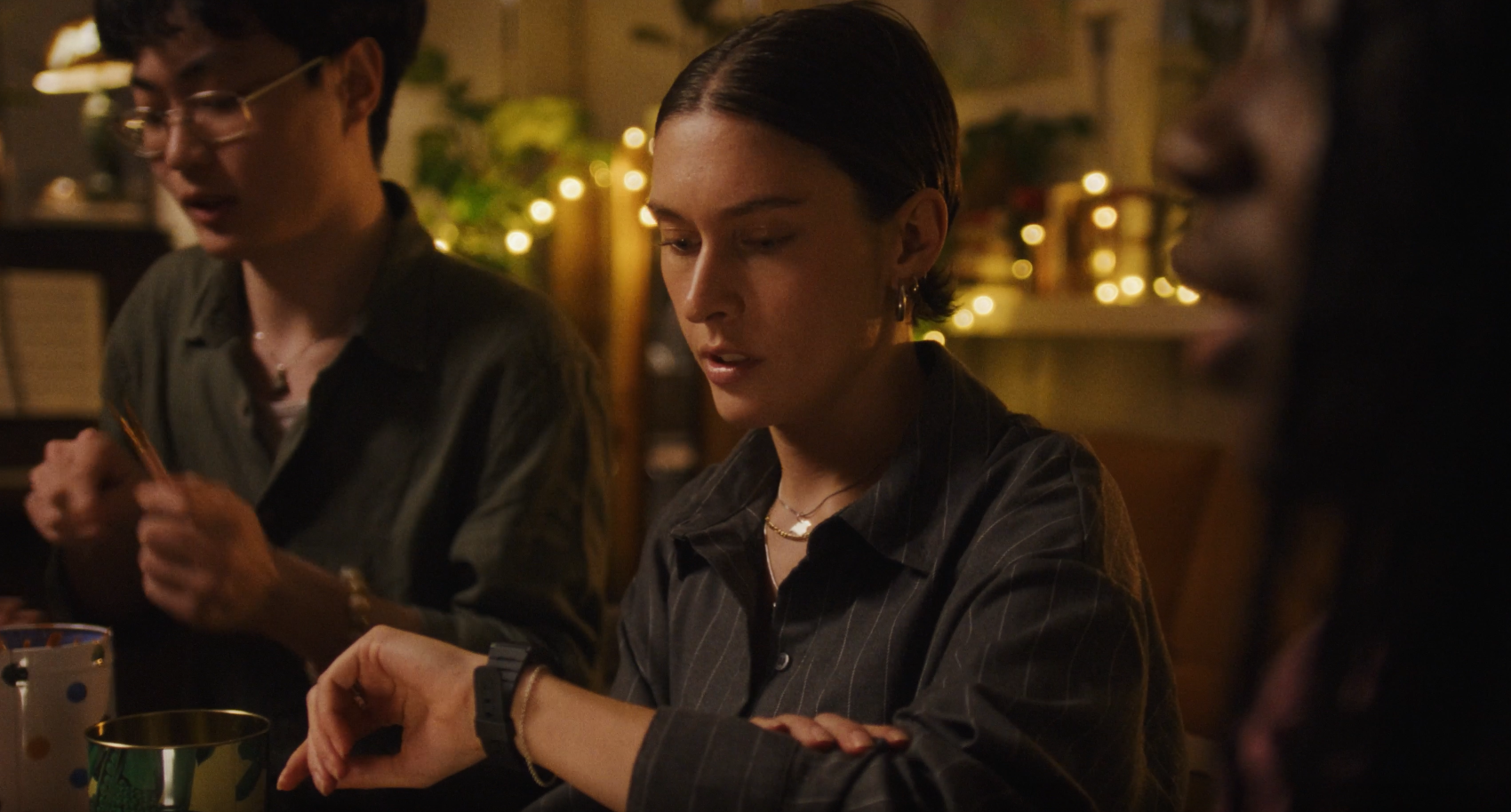
5. We see a lot of candles in the video. Are they the main source of light on set? If yes, did the Arles lenses help you overcome the low light challenge during filming?
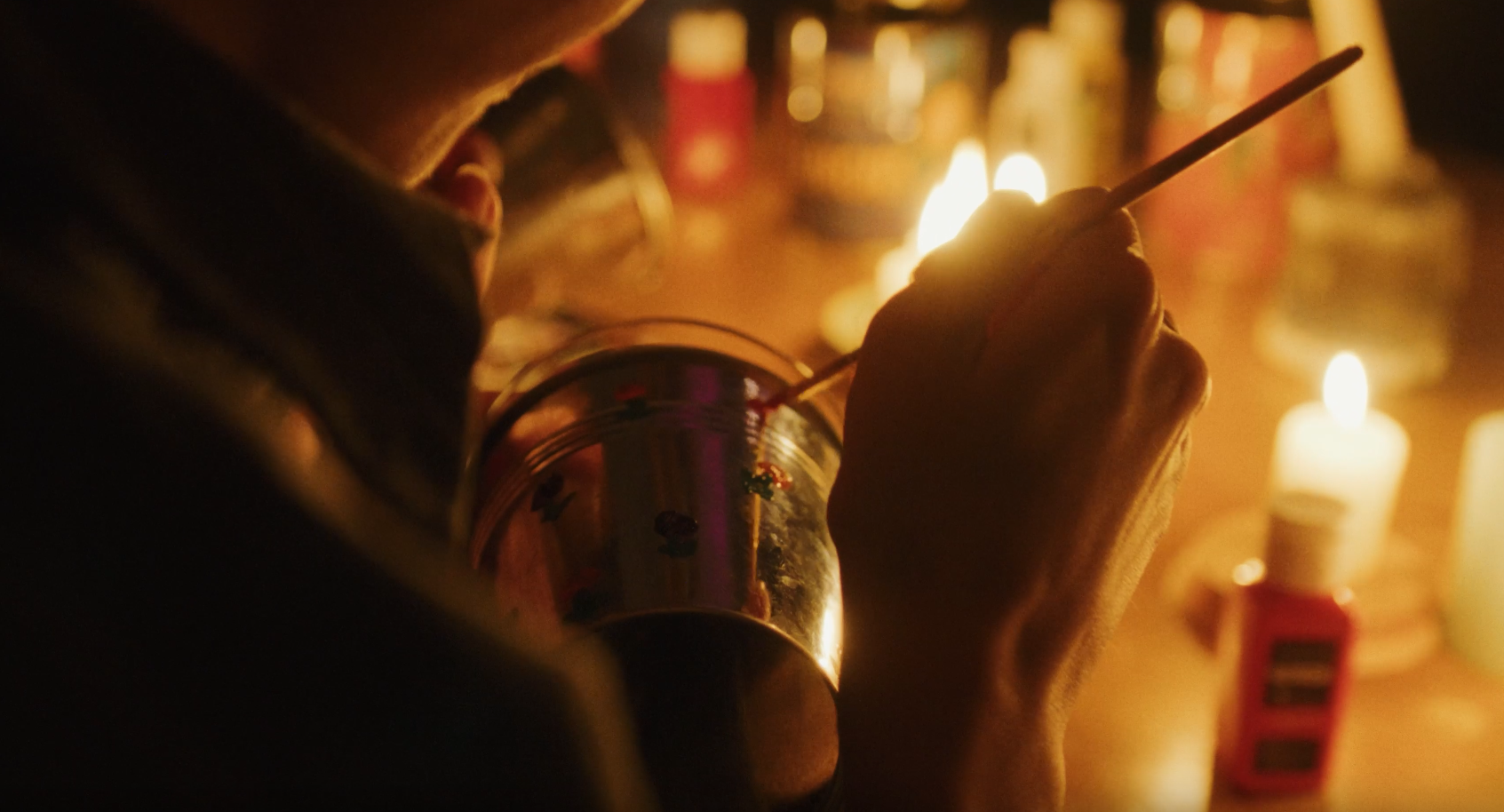
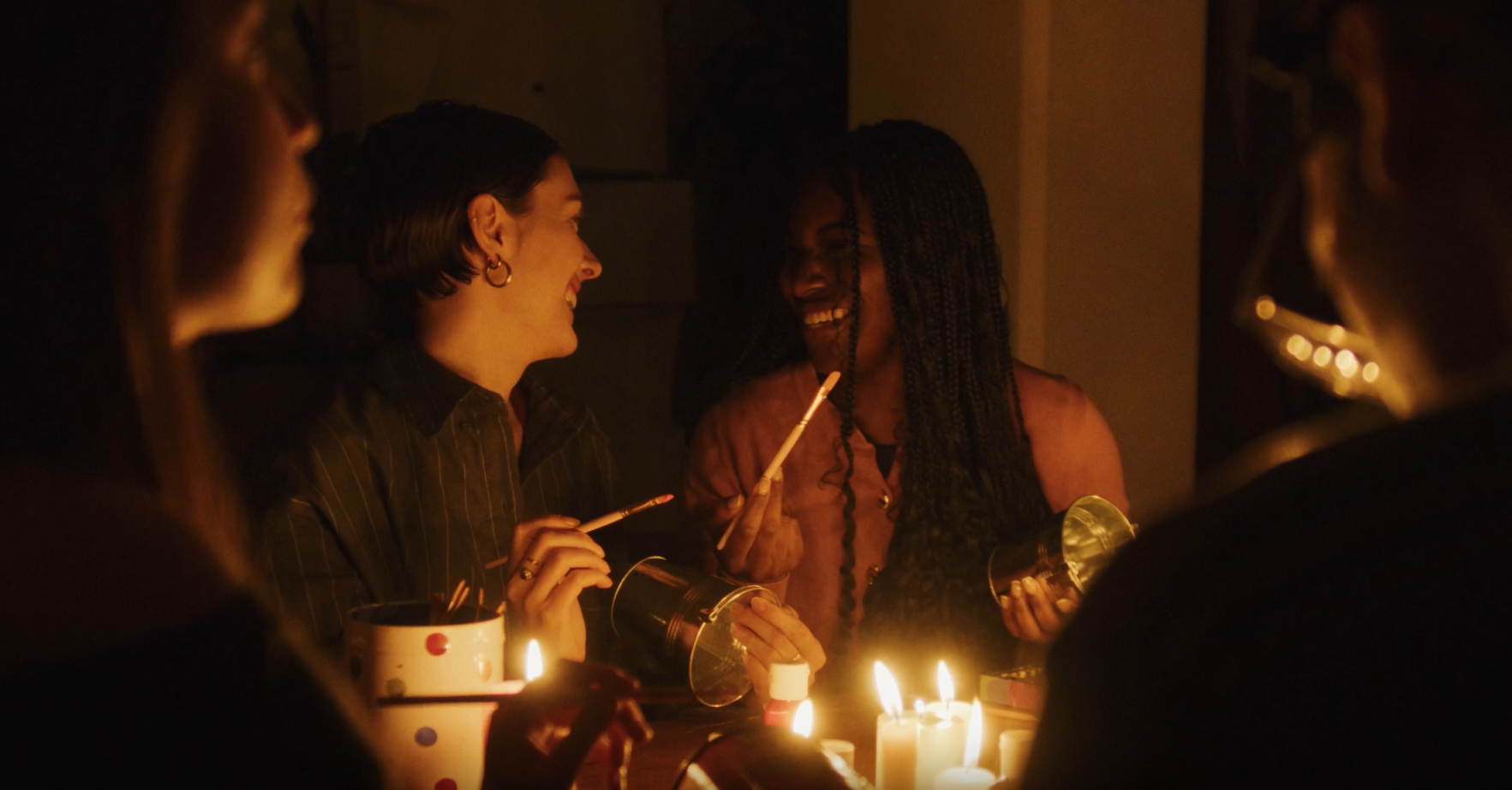
Alister: Yes, all the scenes were lit entirely by candles, no artificial lights at all. That was a big creative choice for the atmosphere, but it also meant we needed lenses that could really handle the low light.
The T1.4 Arles primes made that possible. We kept everything natural and still got clean, beautiful images. Without those lenses, I don’t think we could’ve pulled off that look.
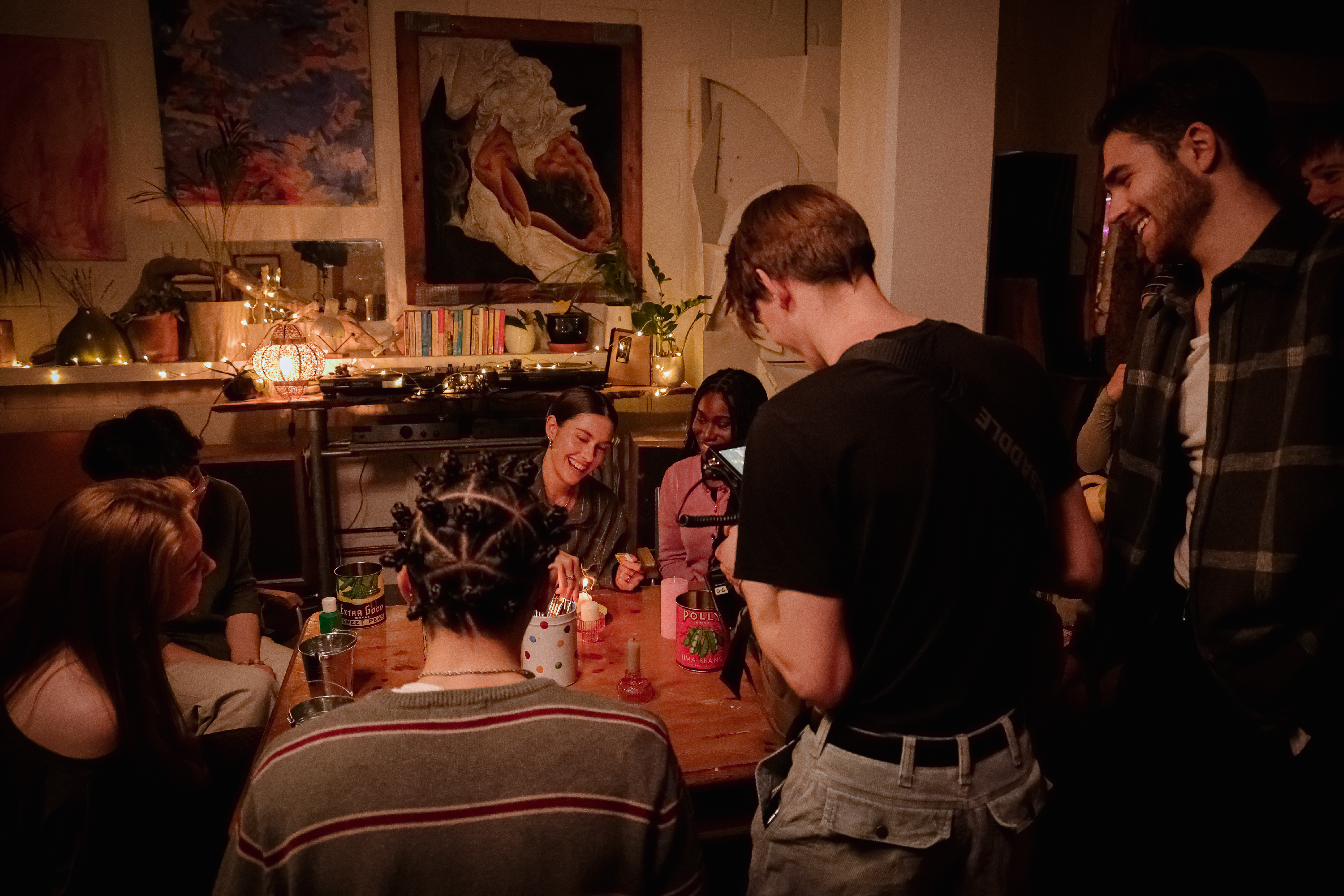
6. Which is your favorite focal length in the set, and why?
Alister: Probably the 21mm. It gave us that feeling of being close to the subject while still keeping the environment in view, which was important for showing the candlelight and creating a sense of space. It had the right balance between intimacy and atmosphere.
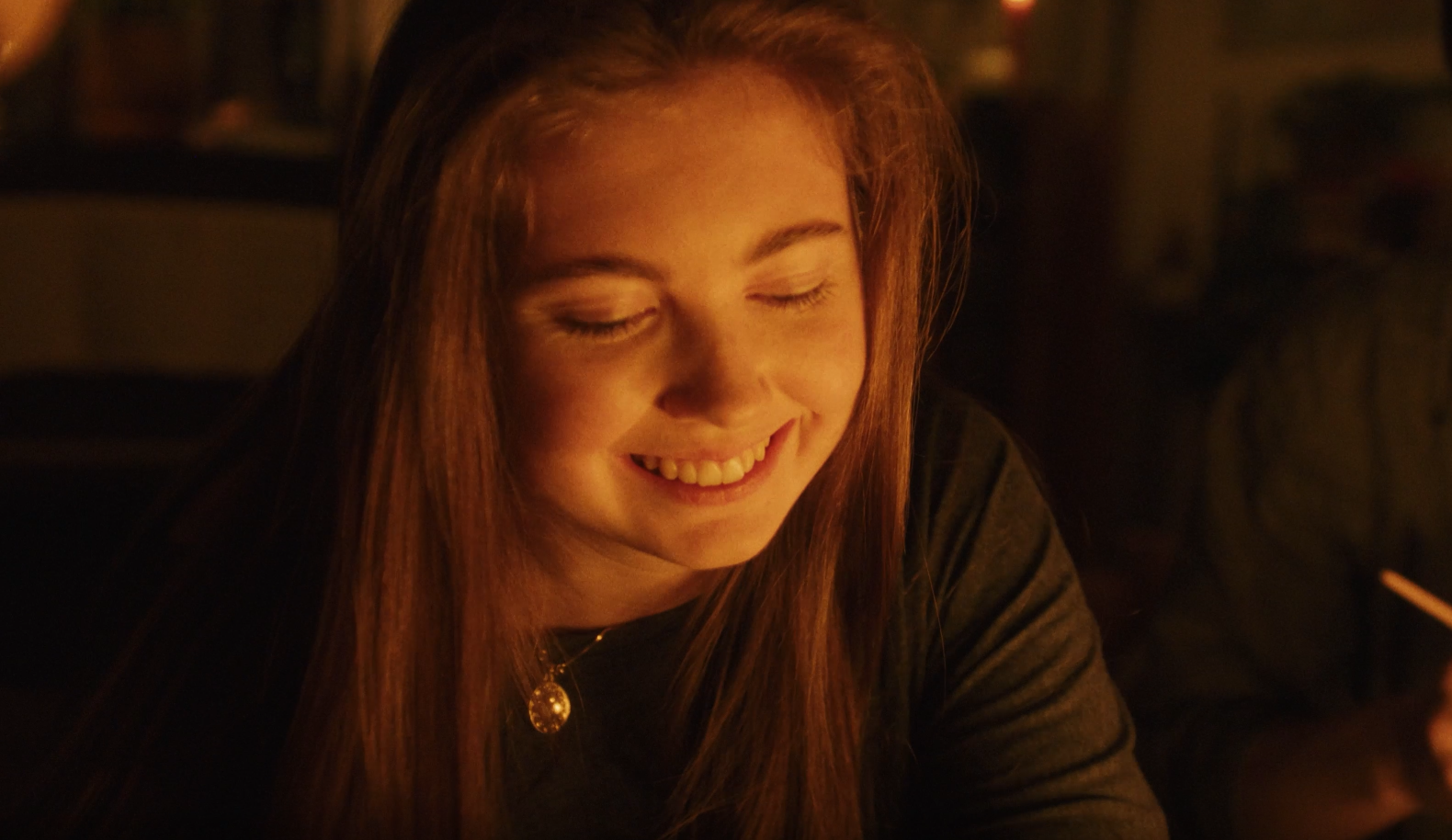
7. Which camera did you use in this project? How did the Arles lenses perform on this camera?
Alister: We shot on RED, and the Arles lenses worked really well with it. The combination gave us a clean image but still kept that soft, organic feel we wanted.
They handled the candlelight beautifully and helped us get the mood we were after without having to push the camera too hard.
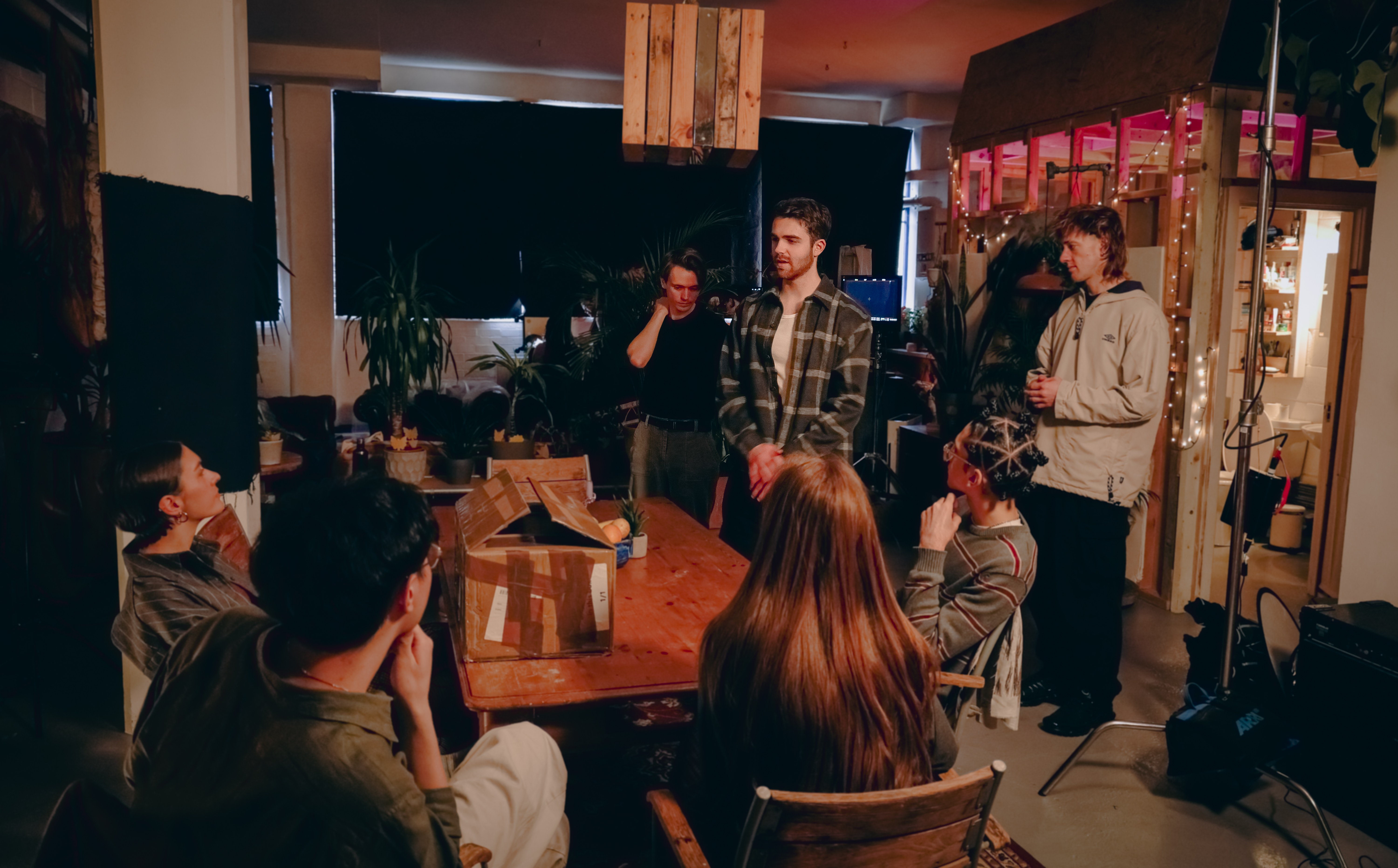
8. Based on your on-set experience, what innovative features would you like to see in DZOFILM’s future products?
It would be great to see more lightweight or compact builds. When you’re shooting handheld in tight spaces, having something a bit smaller makes a big difference. I LOVE what DZO currently has though, that’s just be thinking out loud!
9. What do you consider the most important aspect of filming? What are your thoughts on cinematic sense?
Adaptability, for sure! Things never go exactly as planned on set so you need to be able to adjust quickly, both with your gear and your mindset.
That’s why having something like the Arles lenses really helped on this shoot. We were dealing with low light, no tech scout, and very little setup time. The lenses just worked, and that’s what you need.
10. We look forward to your next project; can you share anything about it?
I’ve got a couple of things in post at the moment. One’s a short doc about a company building tools to support cancer research, and the other’s a piece for a British skincare brand focused on sustainability.
Both are very different from this one but still follow that same theme of telling real stories with purpose.
Original post: https://www.instagram.com/p/DHRpd71CarL/?img_index=1