
2026.01.30
Can you introduce yourself and share a pivotal moment in your film career that shaped your path?
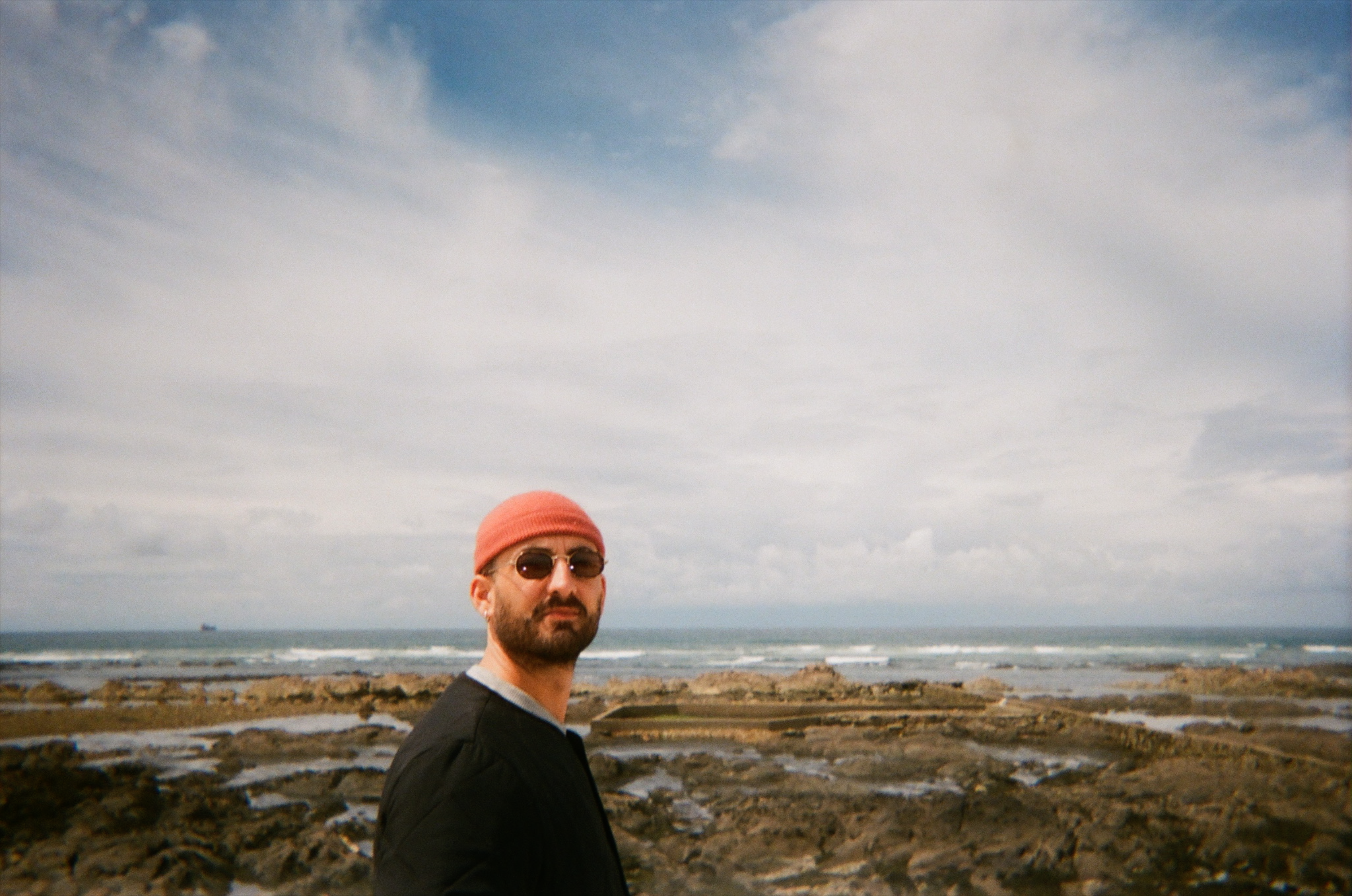
I’m Jacopo Ficulle, and after 10 years of freelance filmmaking in the advertising industry my pivotal moment came a year ago. I realized my voice and vision could not emerge if I would not listen to my subtlest emotions, sensations and insights. And that couldn’t happen while giving all of my energies to clients to make a living.
Can you tell us about the project you recently worked on, including the project name, and what unique themes or messages you aimed to convey?
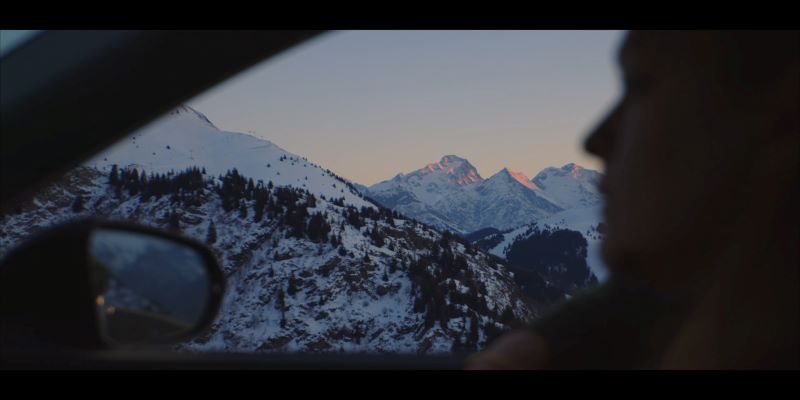
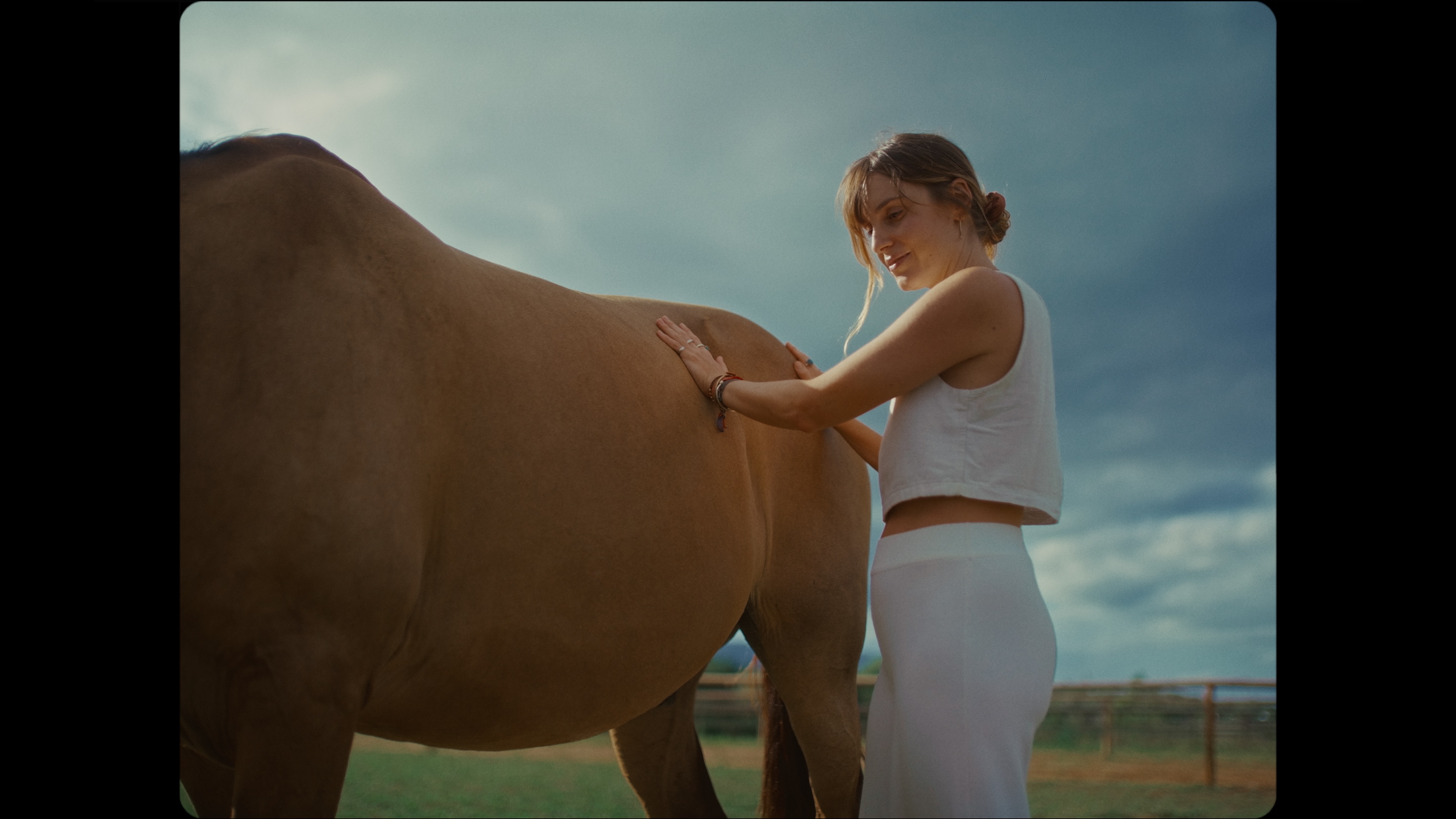
The project that was born out of that moment is called The dormant seed. It’s a series of tiny films for YouTube and Instagram that offer the viewer a moment of clarity and presence. A way to rise above compulsive watching. Each video describes a single event: a father and a son harvesting grapes, a painter in his backyard, a woman on a horse for the first time. Everything is mundane, yet sacred. Scenes that offer the possibility to gently step out of the scrolling race and to reconnect with one’s self.
What specific camera did you choose for your latest project, and how did the features of the Arles lenses influence your creative decisions during the shoot?
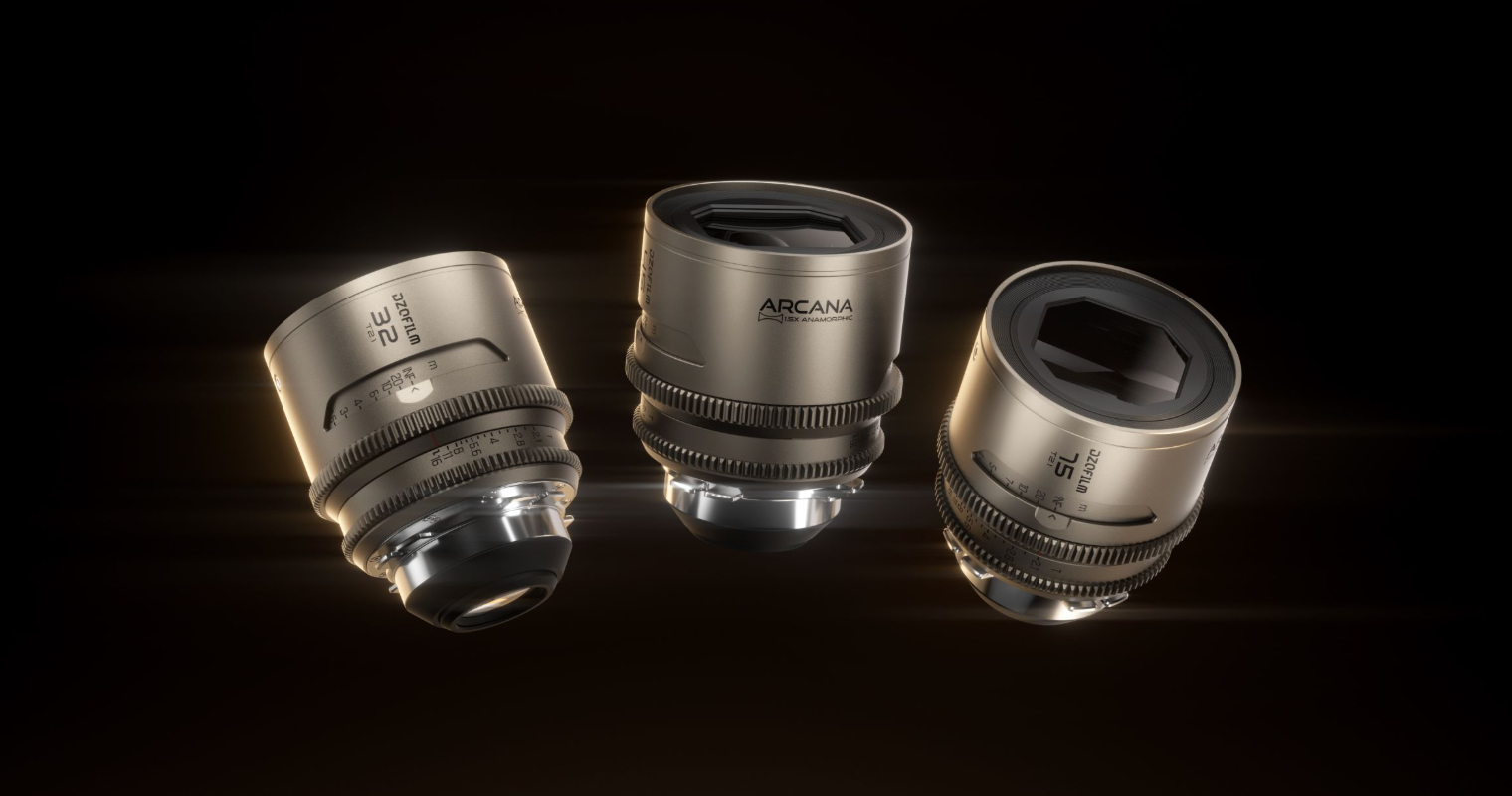
I used a Kinefinity Mavo Edge 8K. Such a great, underrated camera. I shot the entire series with a single lens: the Arles 35mm. It was the best choice. I could capture landscape and intimacy at the same time. By not changing lenses between the shots I was always able to follow real life moments while they unfolded, without compromising their authenticity.
In what ways do you believe the choice of Arles enhances the storytelling in your films, particularly in terms of visual language and audience engagement?
The Arles are unique in their character: they’re gentle and poetic while maintaining the perfect amount of sharpness on the subject. The falloff is subtle and organic. Anything I film with them comes out as an immaculate portion of reality.
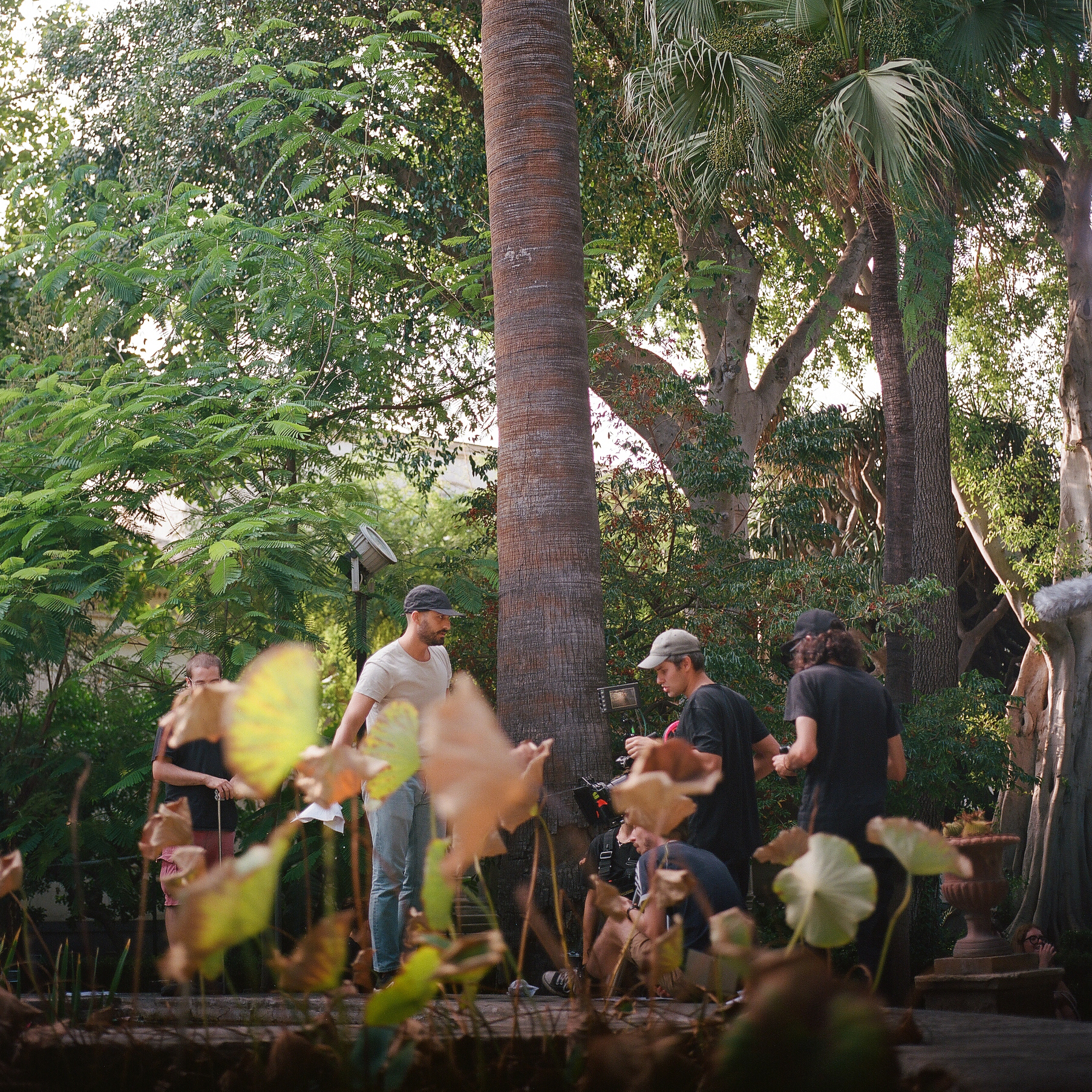

What challenges did you face when using Arles lenses, and how did you creatively overcome these obstacles? What specific qualities of the lenses initially attracted you to them?
The delicate image they can deliver is what attracted me most. They’re super fast and maintain the best of their character even when wide open. They’re quite big and a little heavy, but nothing excessive. The results are always worth the effort.
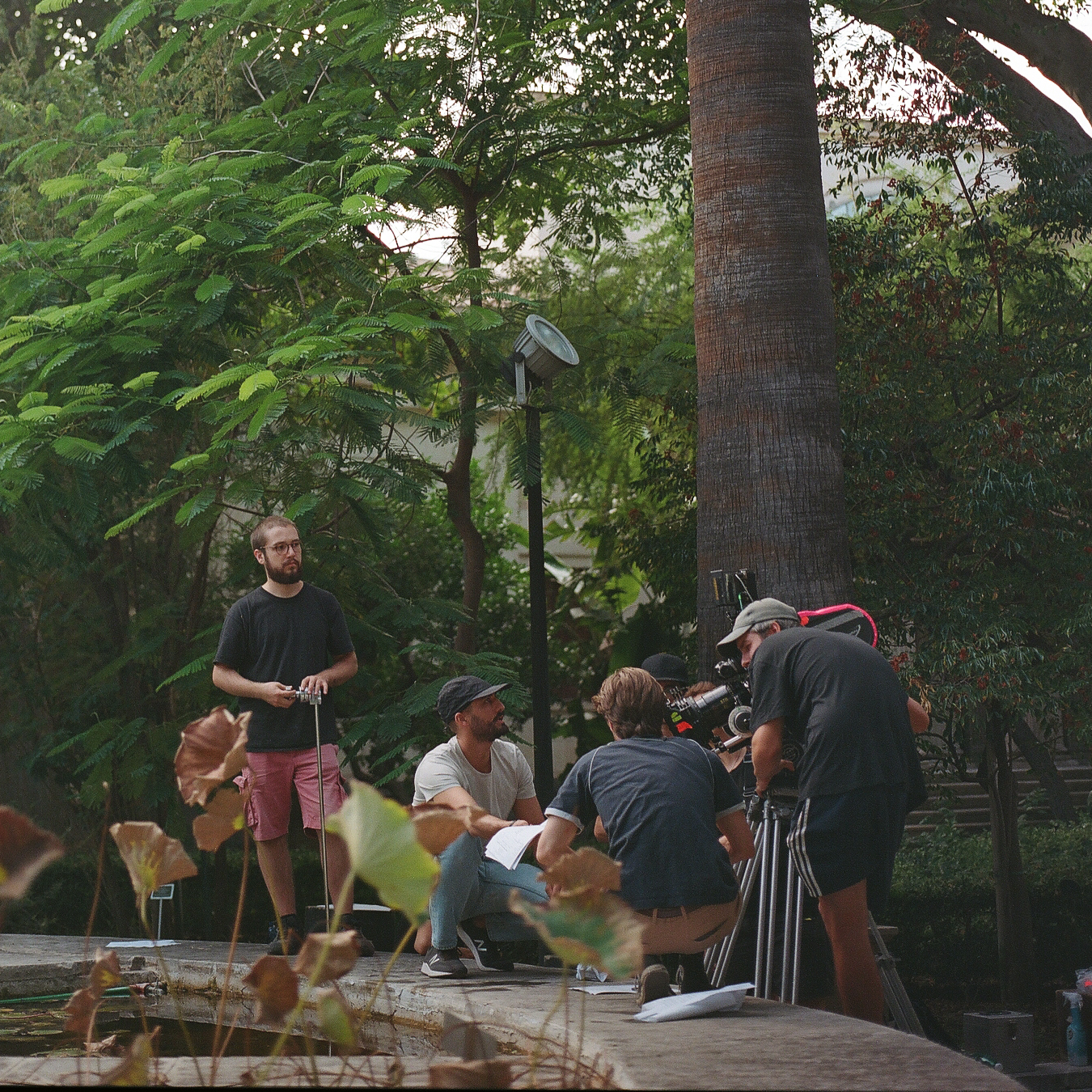

Through your experiences, what have you learned about the evolving landscape of cinematic products, and have there been any surprising insights that changed your approach to filmmaking?
I’ve found myself taking distance from the standard cinematic landscape. I want to be agile and able to do my things without having to ask to a hundred people. Art is expression and doesn’t need to get filtered through years of bureaucracy, funding, approvals from invisible people up high in the hierarchy. I don’t even want investors: I just want a community that resonates with what I do.
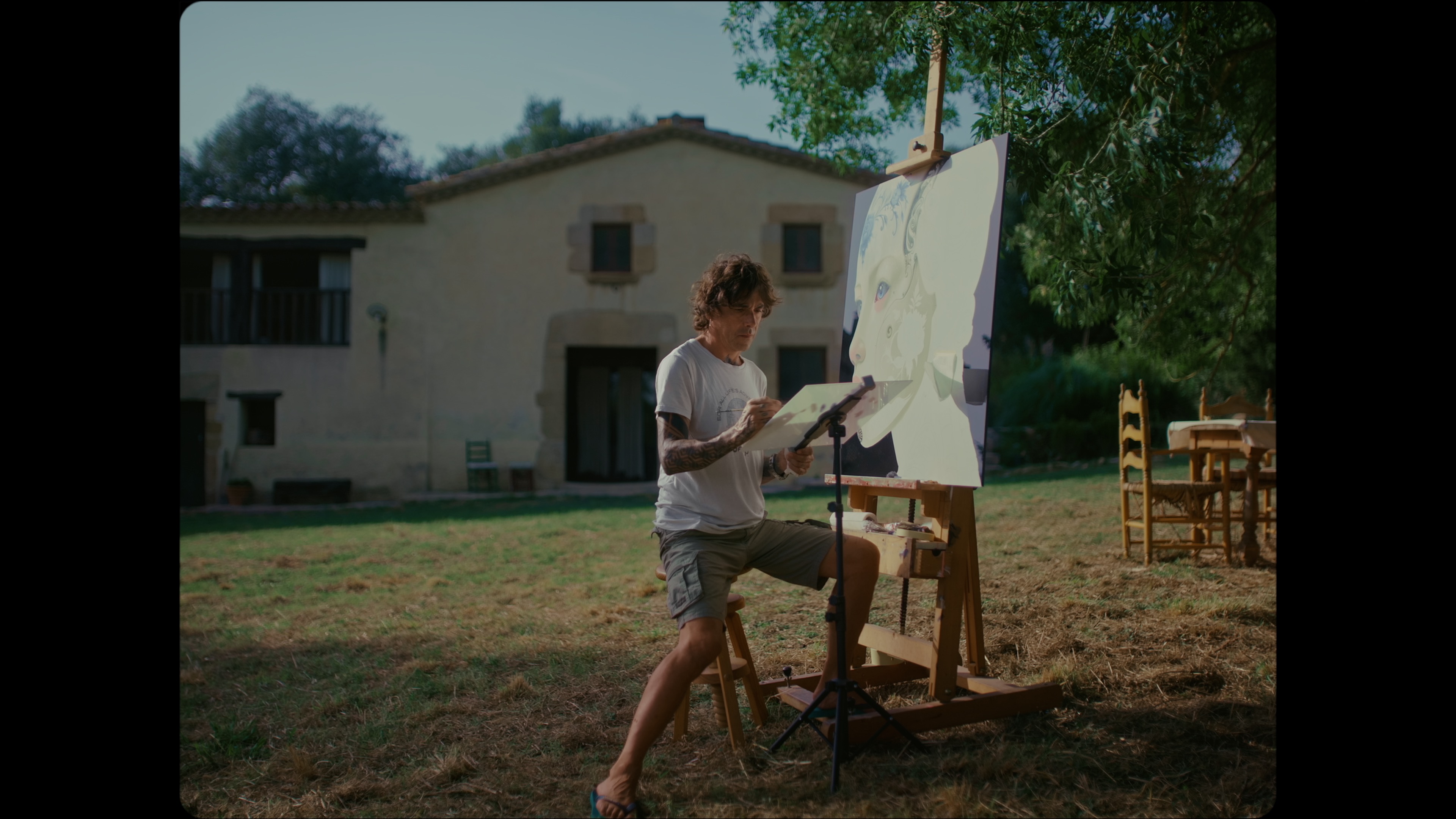

What advice would you give to new filmmakers regarding the selection and use of camera equipment, particularly in how it can enhance their storytelling and artistic vision?
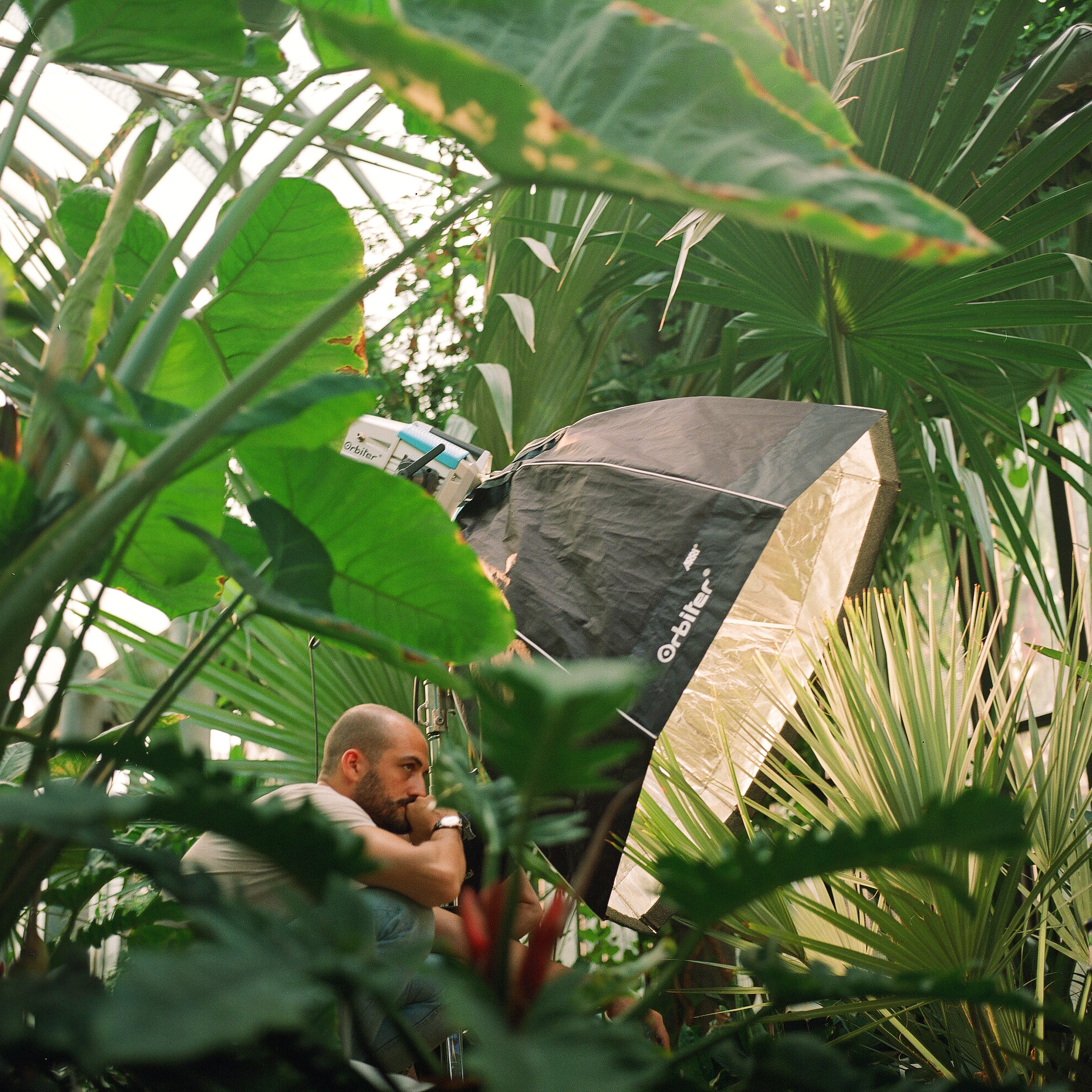
Choose the recipe (camera plus lenses) that works best for you. Do not get distracted by marketing and get the best out of what you have; then, when you can, upgrade. But you can do wonders with very little. I shot this entire project (50 shorts right now, still growing) with a single lens.
Are there any emerging trends in cinematic lenses that excite you, and how do you envision these trends influencing the future of filmmaking?
Fast wide angles is what I will explore next. They already influenced filmmaking a lot, so I might be late to the party. But I will find a way to have fun anyway.