
2026.01.30
Can you introduce yourself and share a pivotal moment in your film career that shaped your path?
I’m Luiz Maximiano, a Director of Photography based in Sao Paulo, Brazil. I became a photographer during the 7 years I lived in Amsterdam, Netherlands. Back then, my main interest was photojournalism. I used to work for several magazines and newspapers around the world as a freelance, went to cover the Afghanistan war, conflicts in the Middle East, poverty in Central America, elections in Pakistan and also did a lot of travel photography too. I’ve photographed in over 50 countries. Around 2015, I started to transition to cinematography so I had to learn a lot of new techniques and tools but it has been a wonderful journey so far. I’ve been nominated 5 times for best cinematography at the Brazilian Cinematography Association Awards and this year I’ve won best cinematography at the Buenos Aires Music Video Festival and the Brazil Music Video Festival as well. I love the collaborative nature of cinema work, completely the opposite of photojournalism where you are alone most of the time.
.jpeg)
Can you tell us about the film you recently worked on, including the project name, and what unique themes or messages you aimed to convey?
I mostly shoot commercial films and music videos nowadays. I like to experiment with interesting camera moves and lighting techniques. For me, every film starts with lighting. That’s the one element that will add more value to any production. Most people put too much attention to which camera they will use and believe that will impact the most on their visuals but I don’t agree. For me, lighting is the most important factor for image making. Of course a good camera and good lenses are essential but never bigger than lighting. Once you are on your way to good lighting, then lenses should be the second item on your list and then choice of camera in my opinion.
.jpeg)
What specific camera did you choose for your latest film, and how did the features of arles prime lenses influence your creative decisions during the shoot?
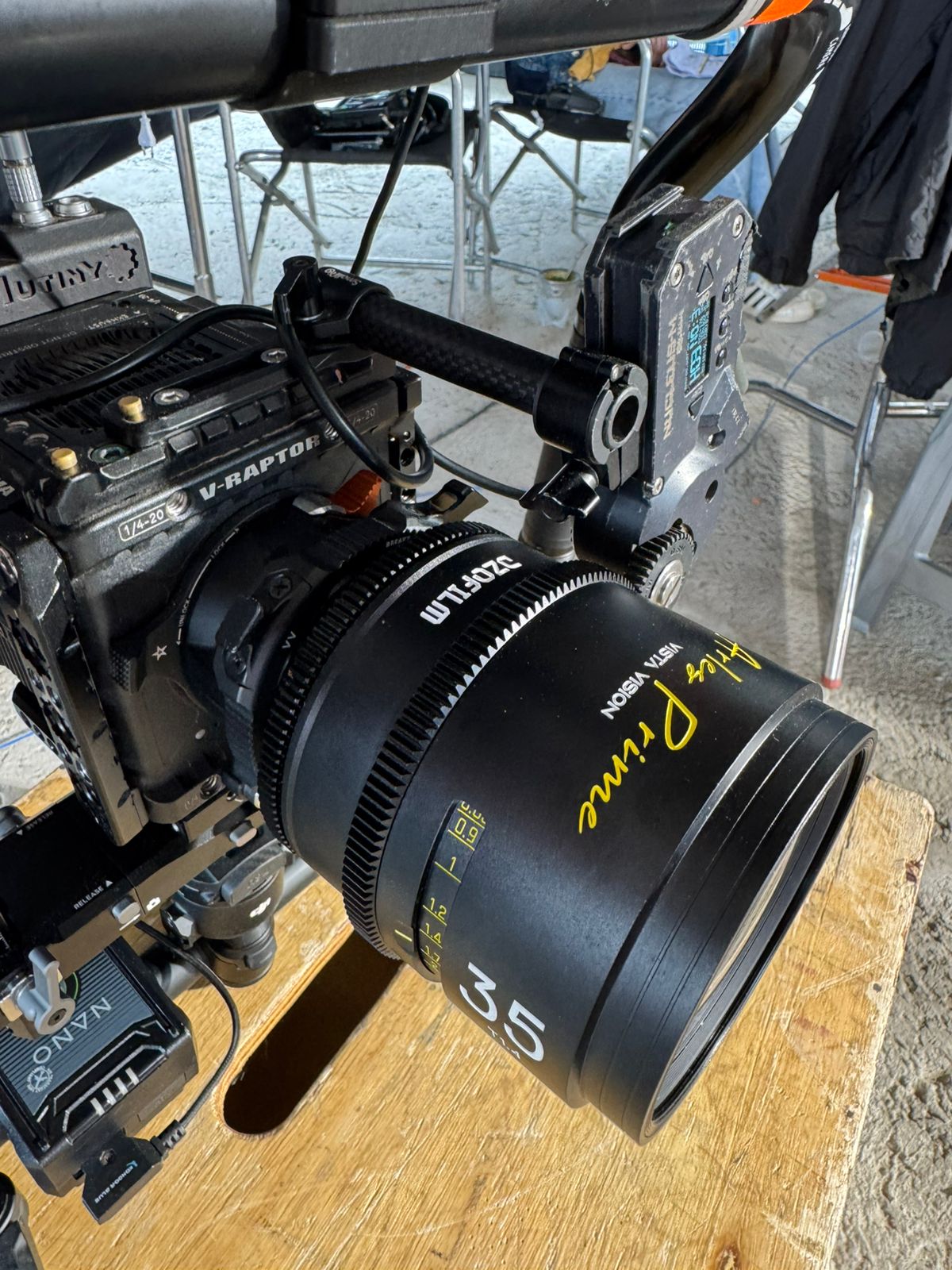
I love shooting large format sensors and the Red V-Raptor VV gives me that. Again, it’s about options and flexibility. I believe it has a perfect form factor and it pairs really well with the Arles lenses. Not so heavy but not so light either. And the Red sensor is super sensitive so it becomes an incredible low light power house if you want to explore those possibilities. They also fit perfectly in a small gimbal like the Ronin RS4 Pro which is amazing.
In what ways do you believe the choice of arles prime lenses enhances the storytelling in your films, particularly in terms of visual language and audience engagement?
It gives me more control since now I can have super shallow depth of field if I want to. And I can shoot in really dark conditions and blend in different lights, colors and temperatures easier since it can see so much.
What challenges did you face when using arles prime lenses, and how did you creatively overcome these obstacles? What specific qualities of the lenses initially attracted you to them?
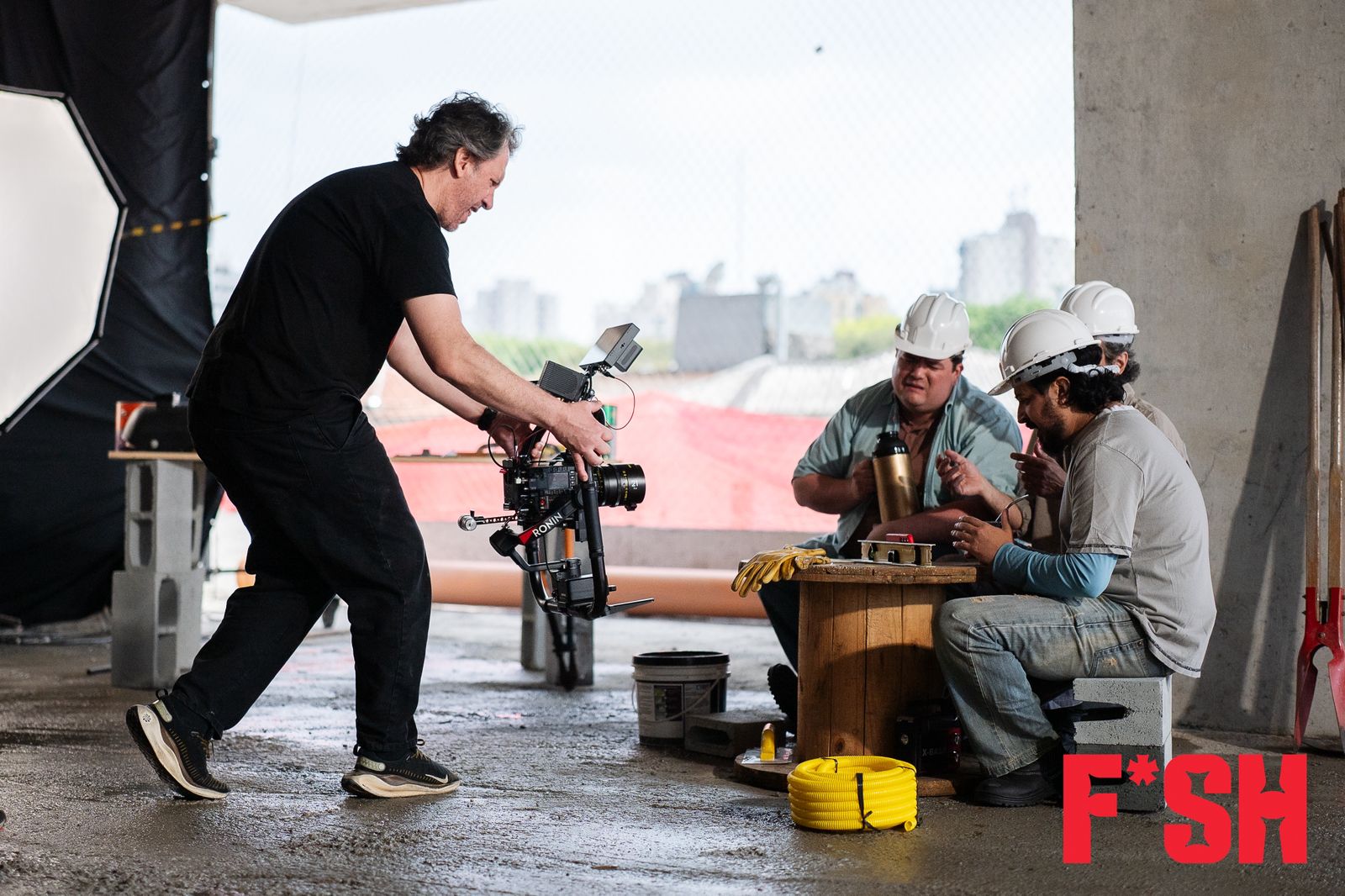
I love how bright they are. To work at T1.4 in a full frame sensor is amazing. It gives you so many options. And they a really pleasing as well regarding the feel and texture. Everyone comes to the monitor and always say “wow, that looks really nice”. Of course when you are shooting wide open with a T1.4 lenses you need a very good focus puller otherwise it becomes a problem but that’s a good problem to have in my opinion.
.jpeg)
Through your experiences, what have you learned about the evolving landscape of cinematic products, and have there been any surprising insights that changed your approach to filmmaking?
It’s all about access to high end gear. Years ago, certain kinds of gear were simply unaccessible to small and independent productions. And since this form of art is heavily dependent on gear, it was hard to make something on a hight technical level. Nowadays it’s not that hard anymore. You can make high quality material with a lot less money invested. It definitely empowers filmmakers and cinematographers to be more creative and not feel limited anymore.
What advice would you give to new filmmakers regarding the selection and use of camera equipment, particularly in how it can enhance their storytelling and artistic vision?
I think that the best way to improve your game is to concentrate in learning lighting first and then focus on gear. Not the other way around. Once you feel comfortable in shaping light, then there’s some really exciting cameras and lenses to choose from in order to go out there and create some beautiful art.
Are there any emerging trends in cinematic lenses that excite you, and how do you envision these trends influencing the future of filmmaking?
I love that anamorphic are getting more accessible. It used to be really hard to get hold of good quality anamorphic they keep getting better and better and also more affordable as well. It gives more options for the cinematographer to work with. I also love that super bright and luminous cine lenses just like the Arles series are in the reach as well. It’s an incredible value that was impossible to think of just a few years ago.