
2026.04.30
Filmmaker Derek Robitaille on Capturing Antarctic Wildlife, Solo Shooting, and Why Compact Cinema Lenses Are the Future
Can you introduce yourself and share a pivotal moment in your film career that shaped your path?
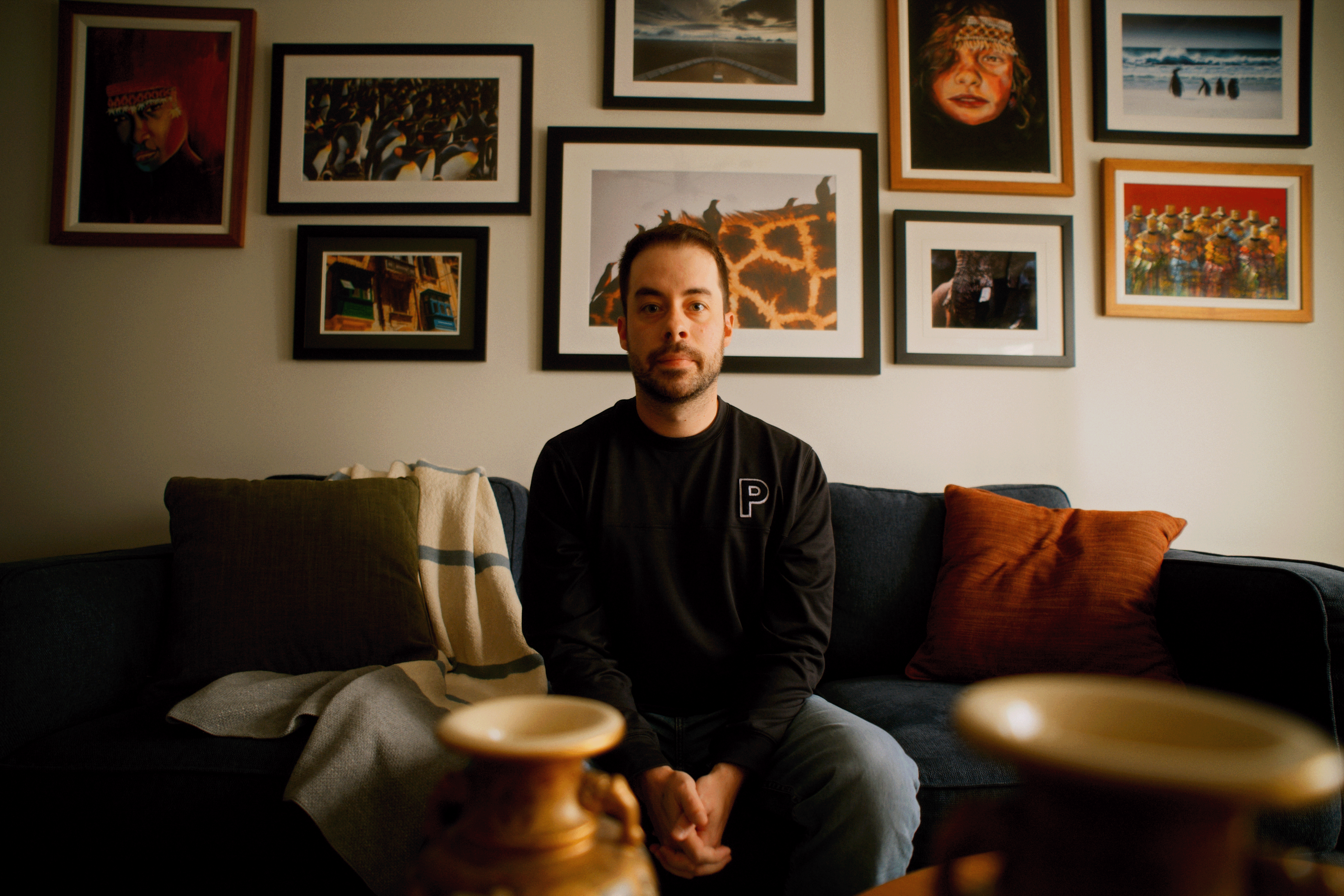
My name is Derek Robitaille, a photographer and filmmaker from Saskatoon, Saskatchewan, Canada. A pivotal moment in my creative journey came from the years I spent working aboard cruise ships. Traveling to all seven continents while honing my photography skills allowed me to witness astounding landscapes, wildlife, and cultures up close. Over time, I wanted to capture movement, emotion, and deeper stories, which inspired me to step into filmmaking, eventually leading to my debut documentary, Penguins of the Point, and setting me on the path I continue to follow today.
Can you tell us about the film you recently worked on, including the project name, and what unique themes or messages you aimed to convey?
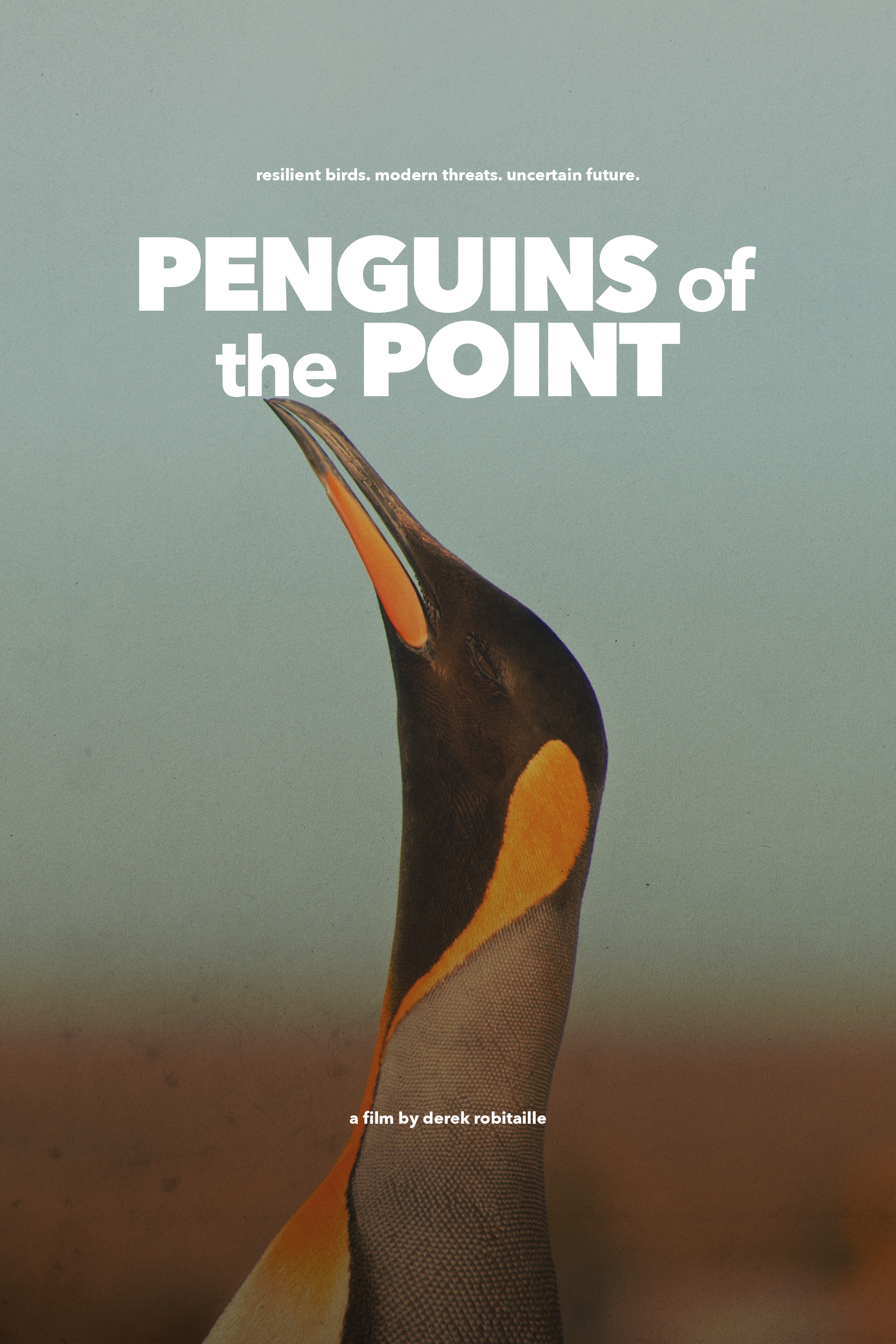
The film I recently worked on is called Penguins of the Point. It follows the lives of penguins at Volunteer Point in the Falkland Islands, showcasing the resilience of these remarkable birds as they face both predators and modern threats such as climate change, commercial fishing, and avian influenza. My goal was to create something educational and informative while still keeping it light and humorous, and I truly believe that balance reflects the personality of the penguins themselves. By mixing conservation messages with the natural charm and comedic moments penguins provide on their own, the film aims to inform viewers while still making them smile.
What specific camera did you choose for your latest film, and how did the features of vespid prime lenses influence your creative decisions during the shoot?
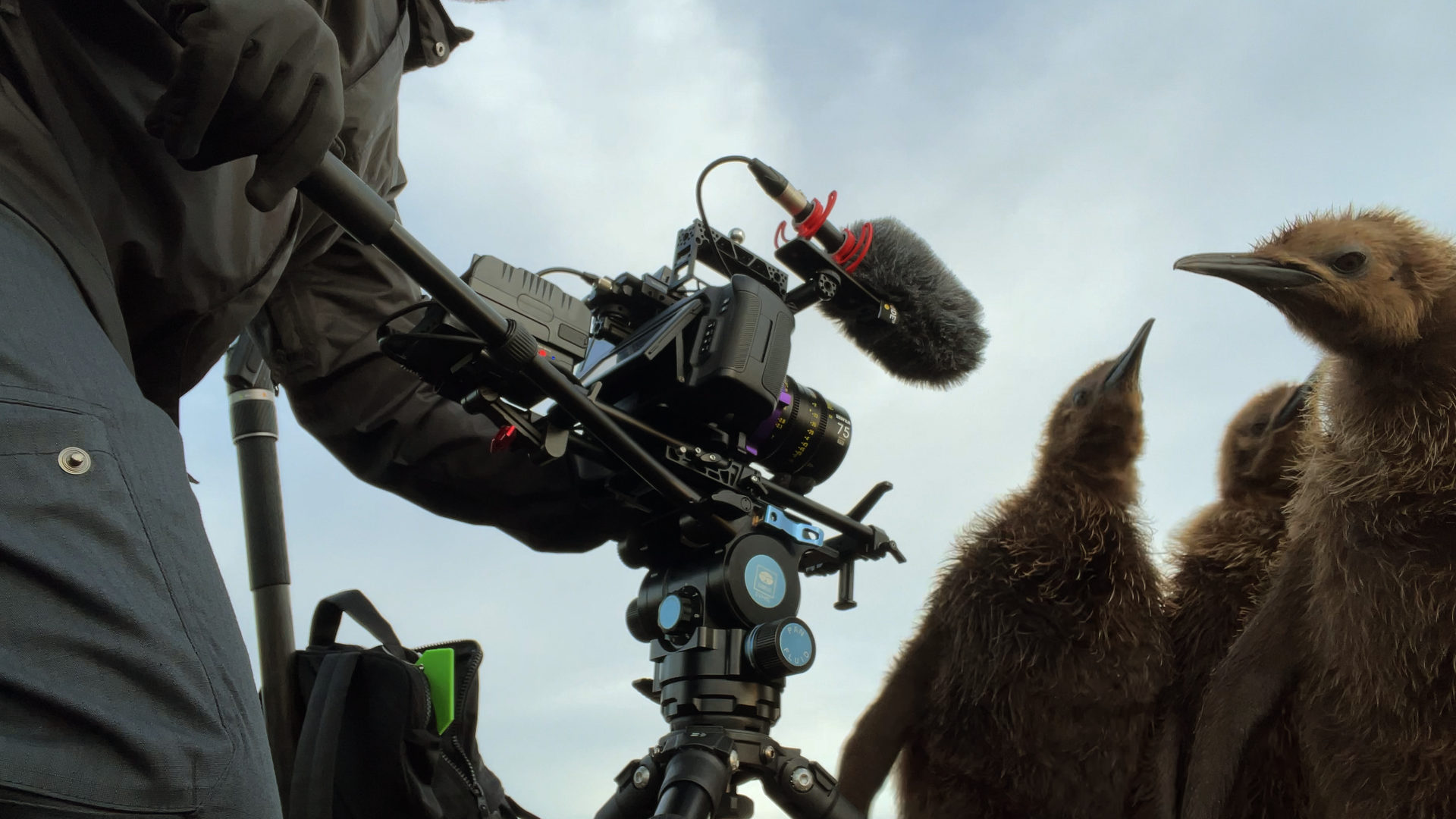
For Penguins of the Point, I shot on the Blackmagic Cinema Camera 6K (Full Frame), which offered the image quality, dynamic range, and flexibility I needed, especially in post. Its full-frame sensor gave the film a more immersive look, especially in wide environmental shots, while also allowing for beautiful depth and detail in close-up moments with the penguins. I often paired the camera with a couple Vespid Prime lenses (21mm / 75mm), which had a major influence on my creative approach. The lightweight design made them easy to manage when I did not want to carry around my 300mm lens, and the consistent colour and contrast allowed me to switch focal lengths without worrying about shifts in the overall look. What I enjoyed most about using them is how much they helped me capture intimate behaviour of the king penguin chicks and humorous moments, supporting the film’s goal of being educational and visually engaging.
In what ways do you believe the choice of vespid prime lenses enhances the storytelling in your films, particularly in terms of visual language and audience engagement?
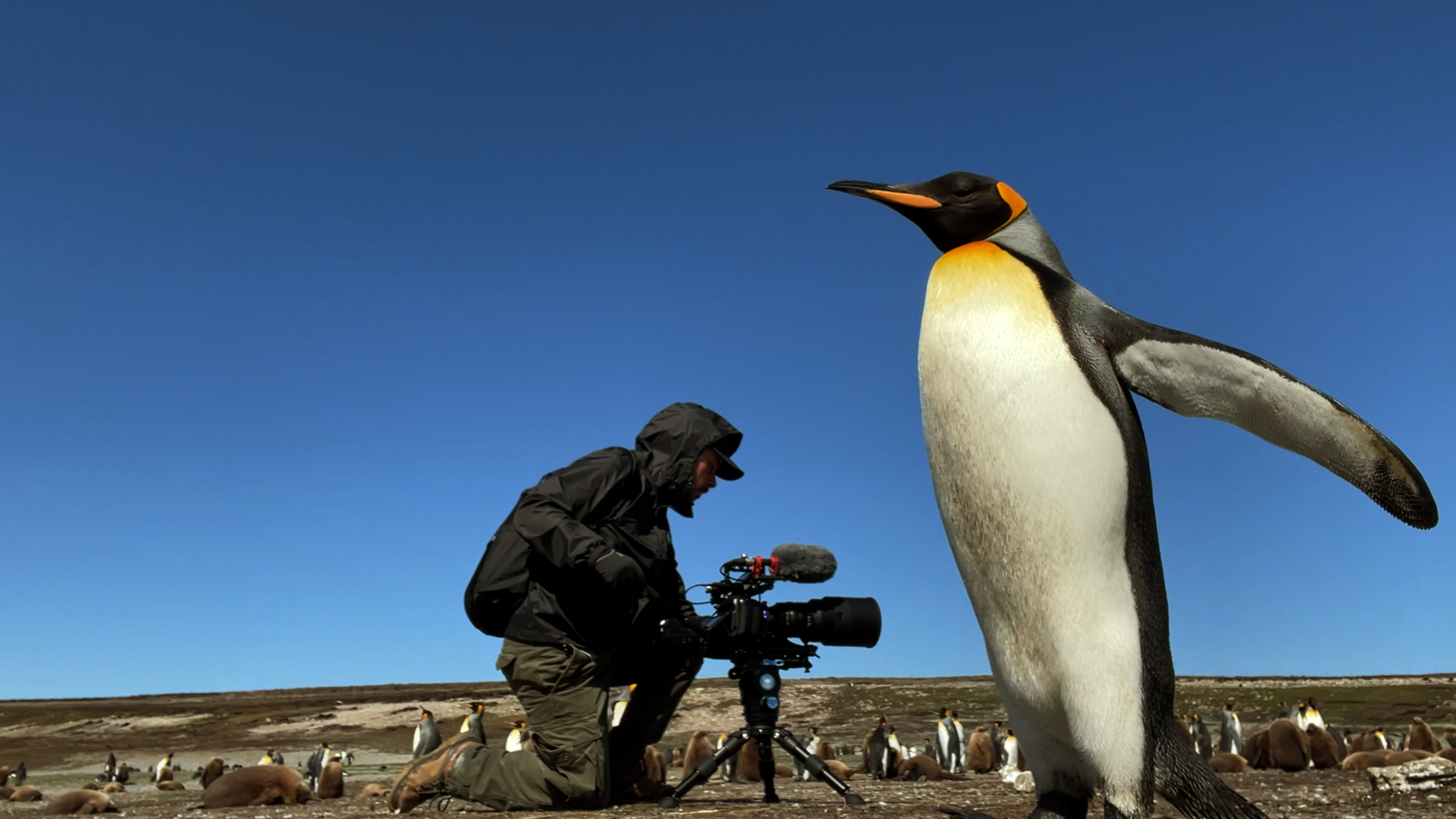
The Vespid Prime lenses played a key role in shaping the film’s visual language by striking a balance between sharp detail and a soft, organic feel, helping the footage look intimate and natural. Mixed with the Blackmagic sensor, I couldn’t have asked for a better result.
What challenges did you face when using vespid prime lenses, and how did you creatively overcome these obstacles? What specific qualities of the lenses initially attracted you to them?
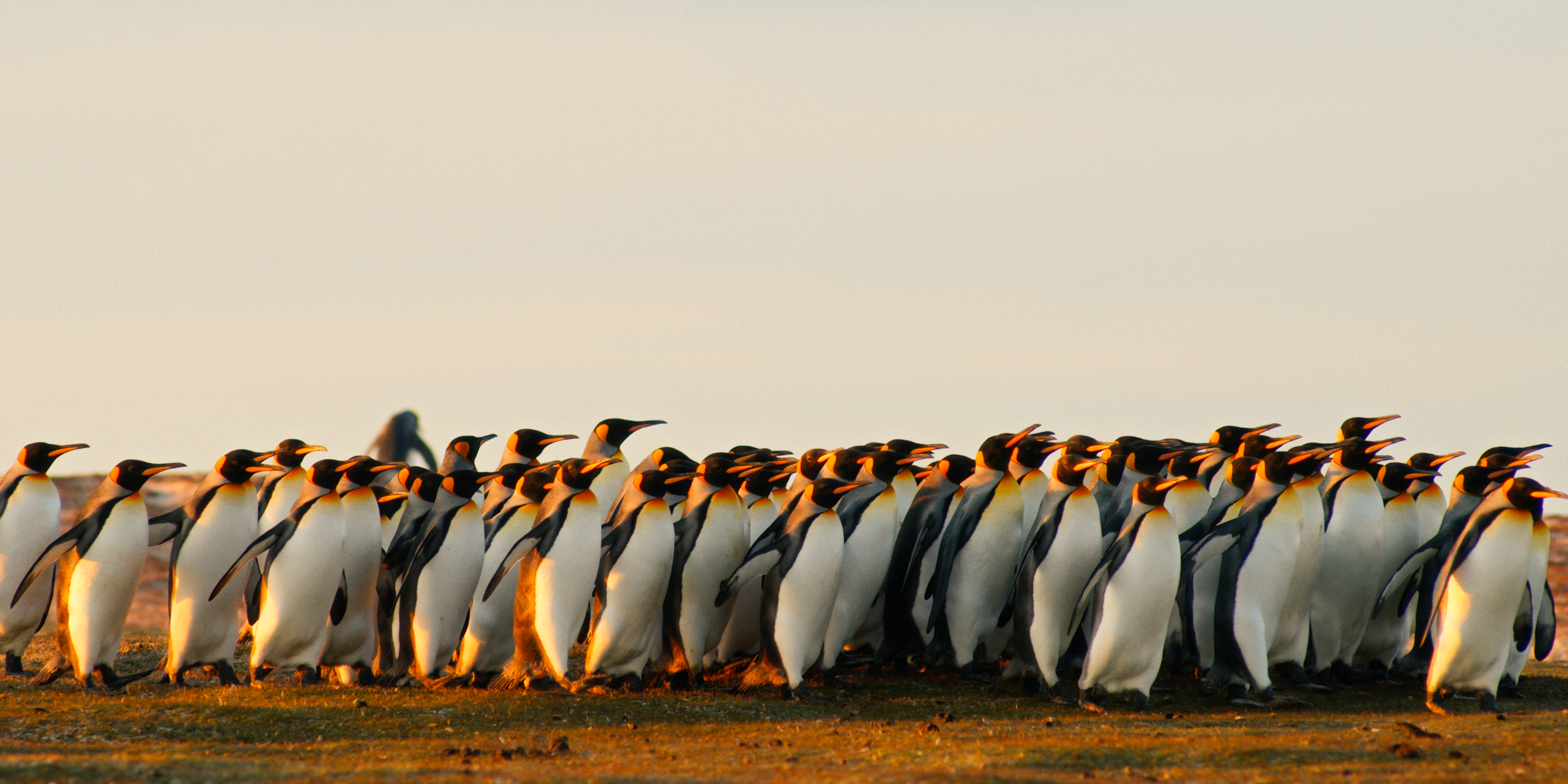
Even though prime lenses can be challenging in wildlife settings, the rendering of the Vespid Primes made the extra effort worthwhile. Throughout the day, I had to constantly switch focal lengths as behaviour changed or new opportunities appeared, which meant working efficiently and planning shots ahead of time. With careful positioning and anticipation, I was able to capture everything from subtle behaviour to wide environmental scenes. Their gentle handling of contrast and colour allowed the landscapes and penguins to stand on their own. I believe these lenses help the audience feel like they’re right there with me and the penguins.
Through your experiences, what have you learned about the evolving landscape of cinematic products, and have there been any surprising insights that changed your approach to filmmaking?
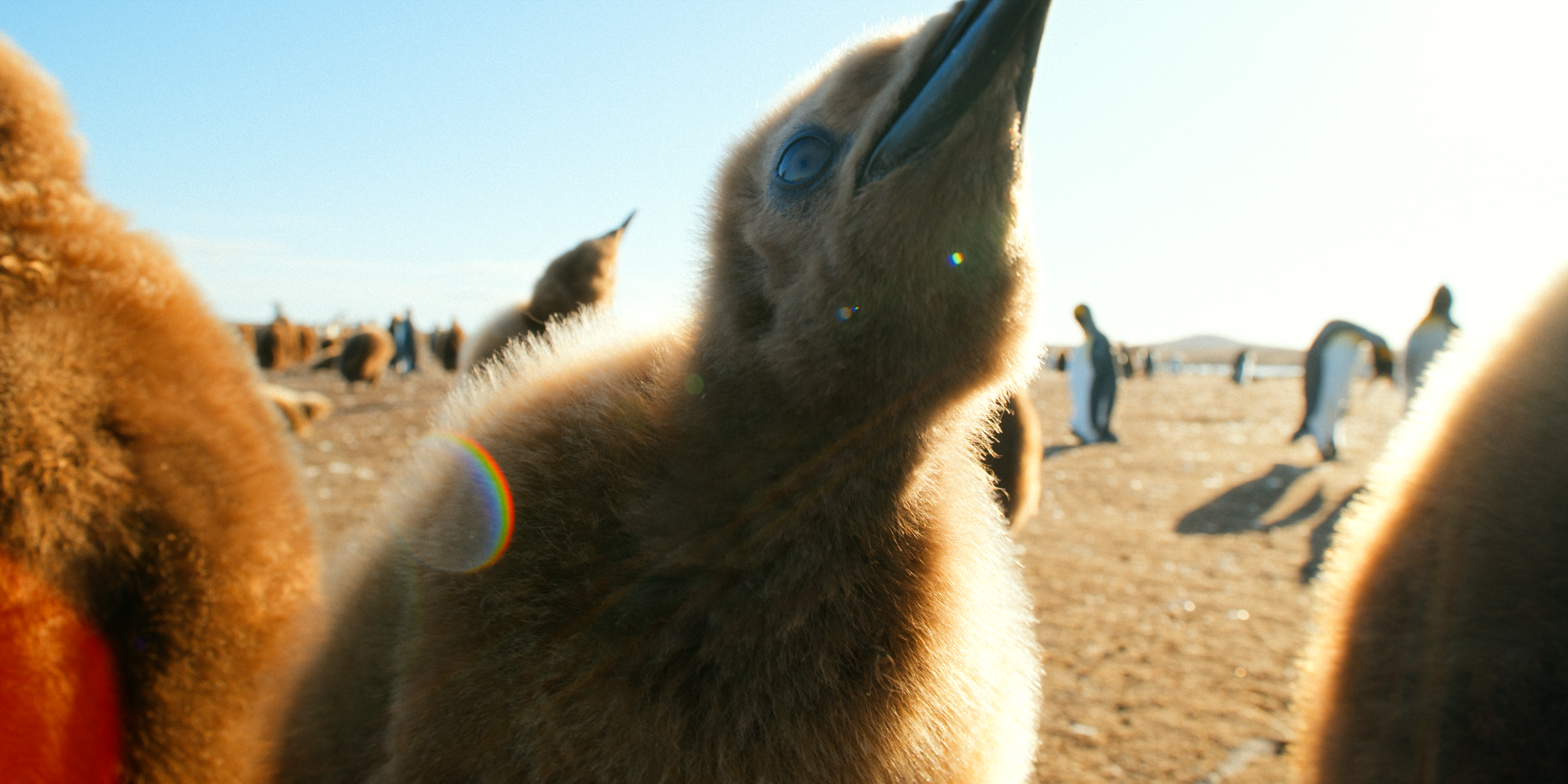
One of the biggest things I have learned is just how quickly cinematic tools are evolving and how much more accessible high-quality filmmaking has become. Cameras from Blackmagic, even as old as the original Pocket 4K and “budget” cinema lenses have made it possible to achieve a high-budget look when it wasn’t necessarily possible 10-15 years ago. That shift is changing the way a lot of people approach filmmaking and I find it also makes me more intentional: instead of relying on big setups, I use my skills more in composition, natural light, and storytelling.
What advice would you give to new filmmakers regarding the selection and use of camera equipment, particularly in how it can enhance their storytelling and artistic vision?
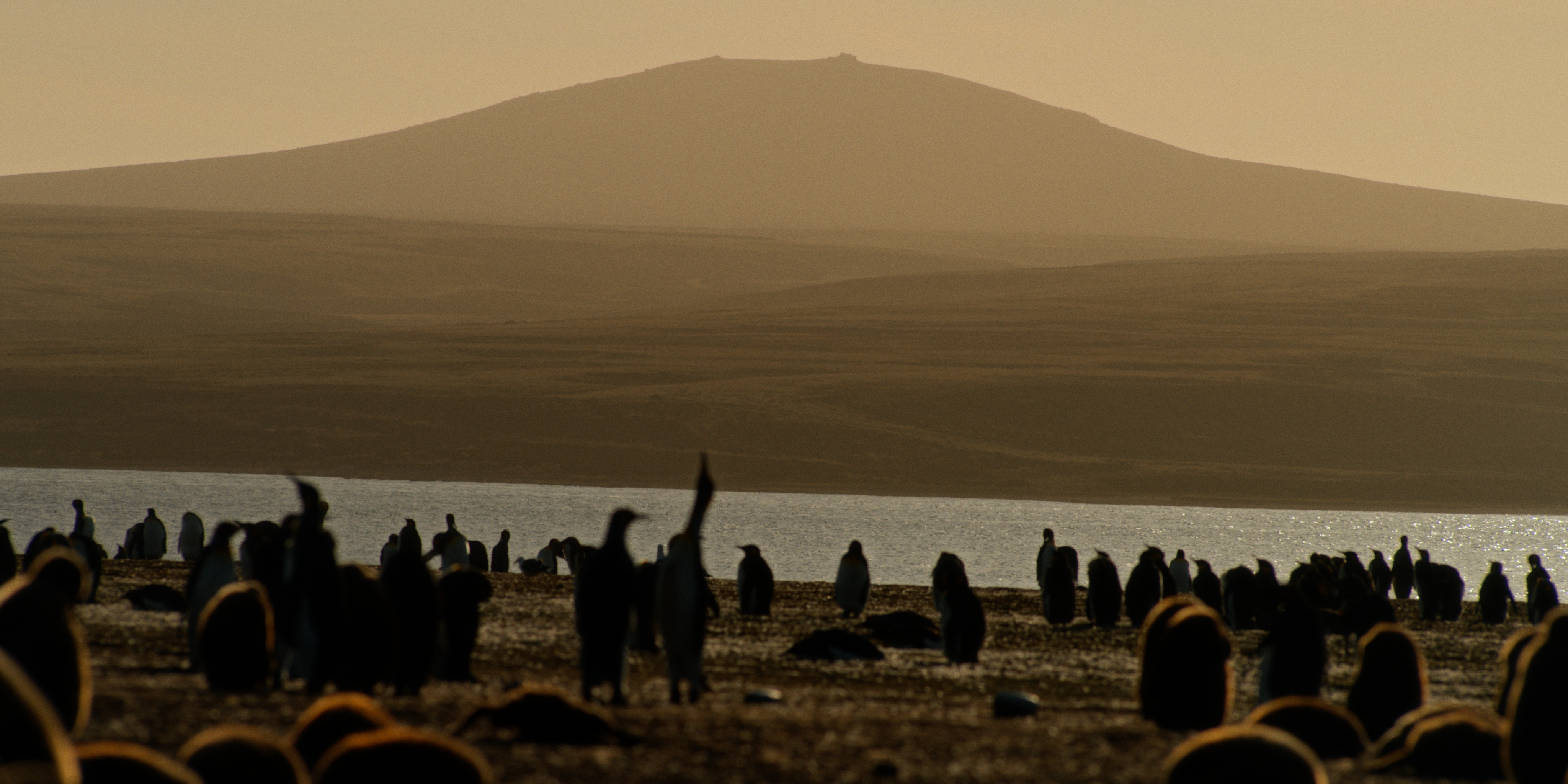
My biggest advice to new filmmakers is to use what you have and focus on building your skills before worrying about gear. Purchase what you can afford, upgrade slowly, and save when you’re able, but don’t fall into the trap of thinking you need expensive equipment to tell a great story. Penguins of the Point was shot entirely solo, using only prime lenses, and it proved to me that creativity, patience, and intention can go a long way. Prioritize learning composition, light, and pacing. Good storytelling comes from how you see the world, what your goals are. When you do invest, choose tools that genuinely improve your workflow and help you stay focused on the story you’re trying to tell.
Are there any emerging trends in cinematic lenses that excite you, and how do you envision these trends influencing the future of filmmaking?
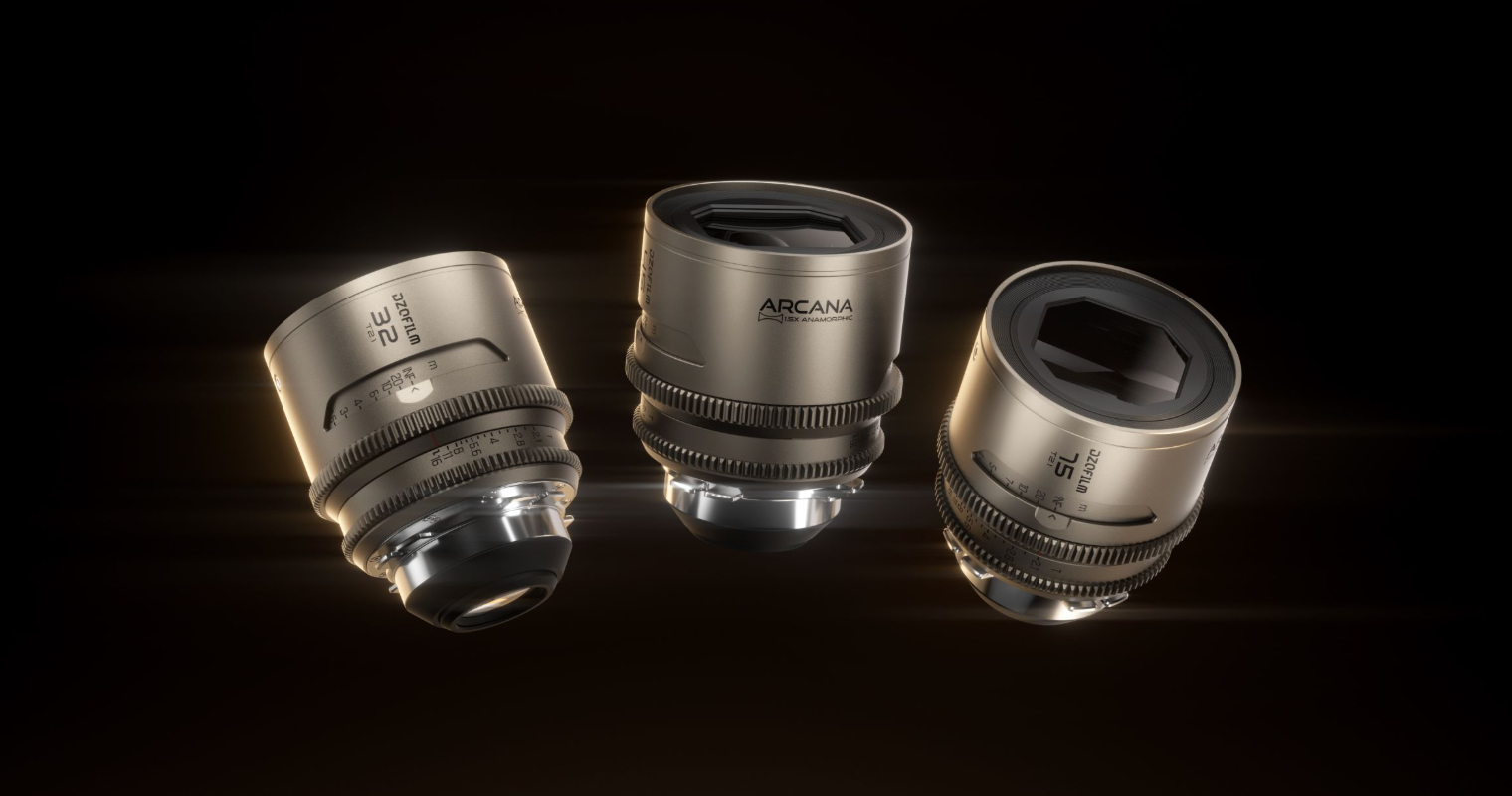
One trend that really excites me is the move toward compact cinema lenses with smart metadata, like the Vespid Prime 2 set with Cooke /i technology. I’m also excited by the growing range of affordable anamorphic lenses, which used to be reserved for high-budget productions, and suddenly you see them available in lighter, more budget-friendly options. Another trend is the rise of smaller, high-quality cinema zooms. Overall, these trends point toward a future where filmmakers have more creative flexibility with far fewer limitations.