2026.4.30
- Can you tell more about you?
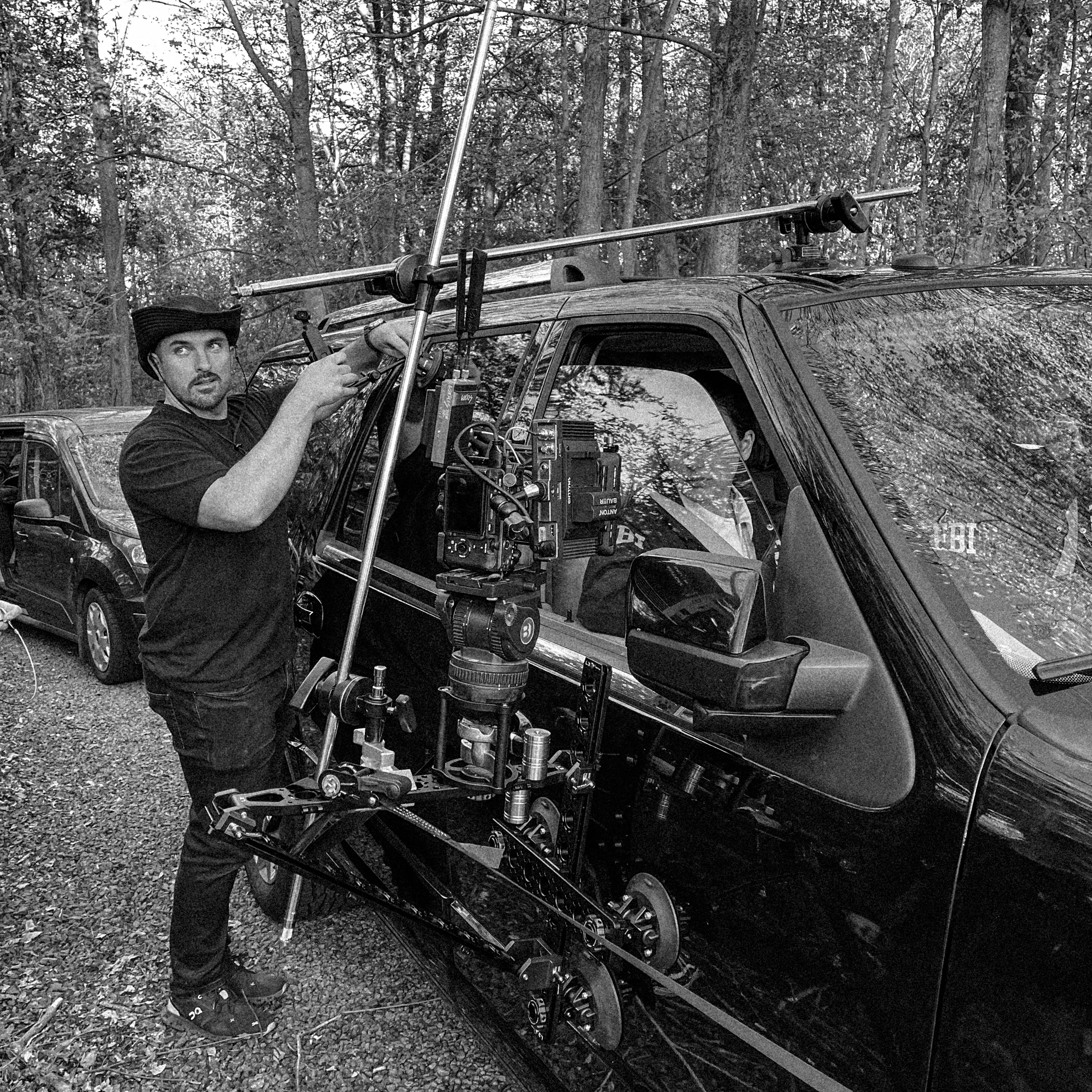
My name is Garrett Samodel, and I’m a director of photography based in the New England area
of the USA. Growing up, I was captivated by the cinematography in films, and today, I’m fortunate
enough to have turned that passion into my career.
- Very excited to see the trailer of The Dolls, could you please simply introduce this project with
us?
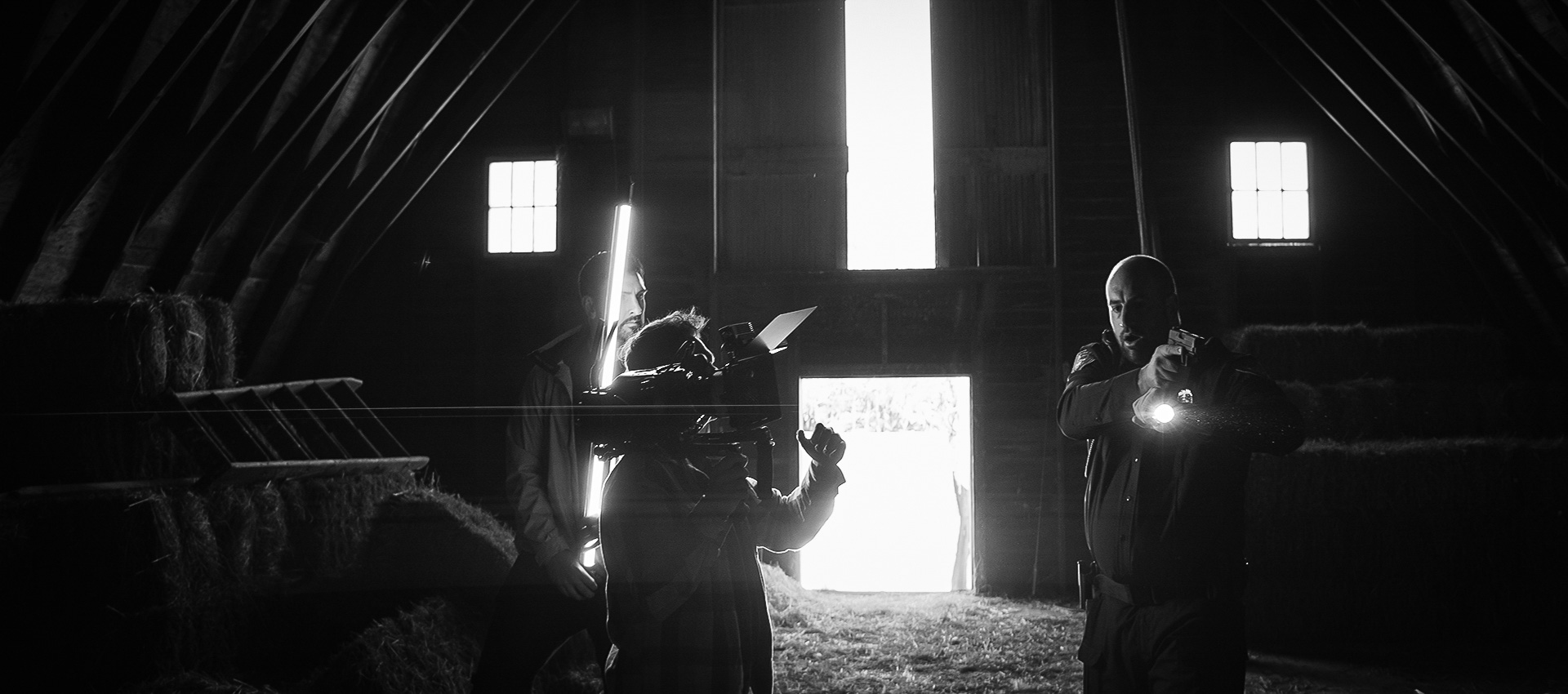
When Connor Wilke (the director) and I were in 4th and 5th grade, we would make horror short
films on our iPods, all revolving around a haunted baby doll. They weren’t exactly
terrifying—often downright ridiculous—but at their core, they were just two kids having fun. Fast
forward 15+ years, and both Connor and I are now working full-time in the film industry. When
you turn your passion into a career, it’s easy to forget why you started in the first place, and that’s
where we found ourselves in 2020. That’s when we decided to return to our roots. Every year
since Halloween, we've created over-the-top horror films featuring our original star—the
haunted baby doll. It’s scary, it’s ridiculous, but that’s what makes it so much fun. While our first "Doll" film started out small, this year, we had nearly 50 people working together to bring this
project to life. We’re incredibly humbled to have so many people believe in us and join us in
celebrating the spirit of filmmaking.
- How did you know about DZOFILM? In what situations or conditions did you get the chanceto use DZOFILM cine lenses?
I first encountered DZO while I was gaffing for fellow DP Werner Traut, who was using the Vespid
lenses on a Citizens Bank commercial . The images they produced were gentle, yet defined, a look
sought after by many, including myself. Months later, DZO announced the release of their Pavo
anamorphic lenses, and I immediately knew they would be the perfect fit for this year's
production of The Dolls.
- In the project of The Dolls, which cameras and lenses are used in the shooting? How does the
DZOFILM lenses perform with the camera in the shooting?
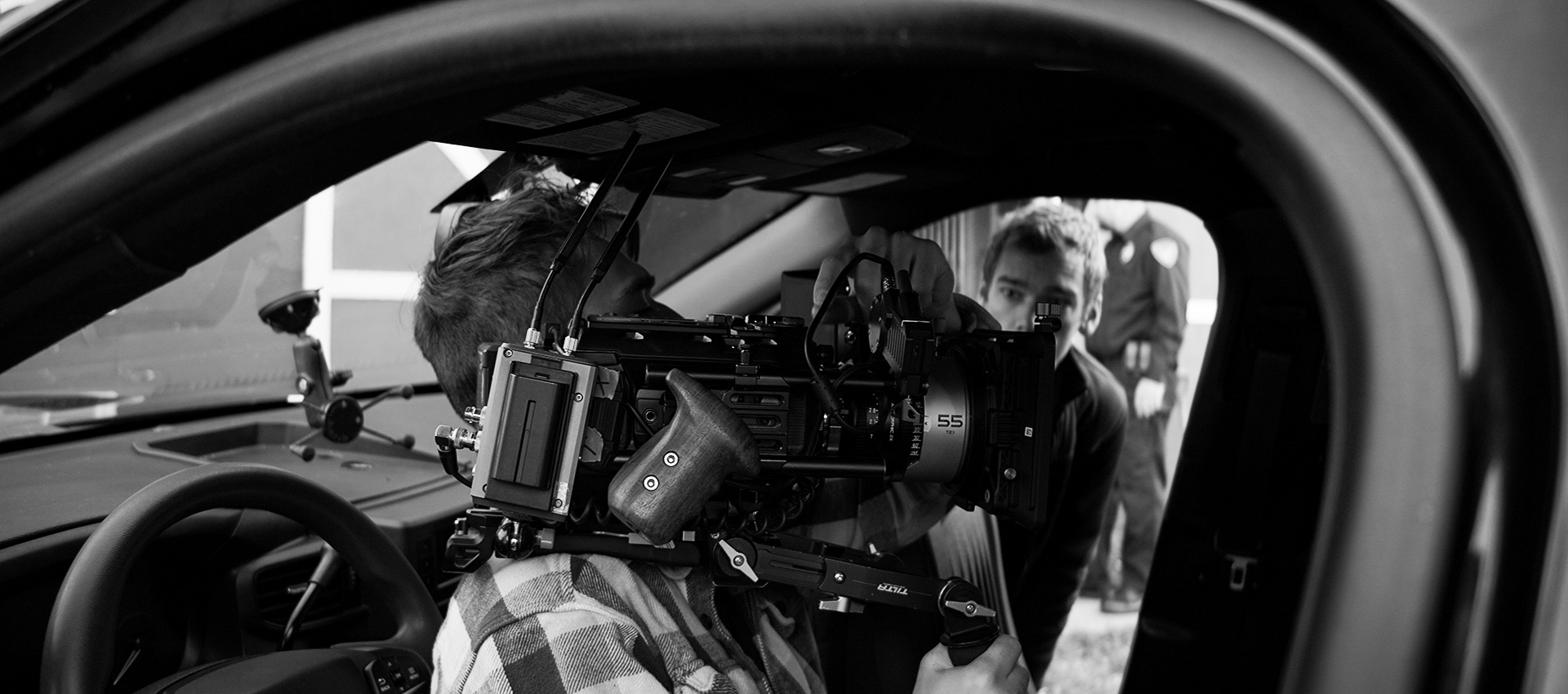
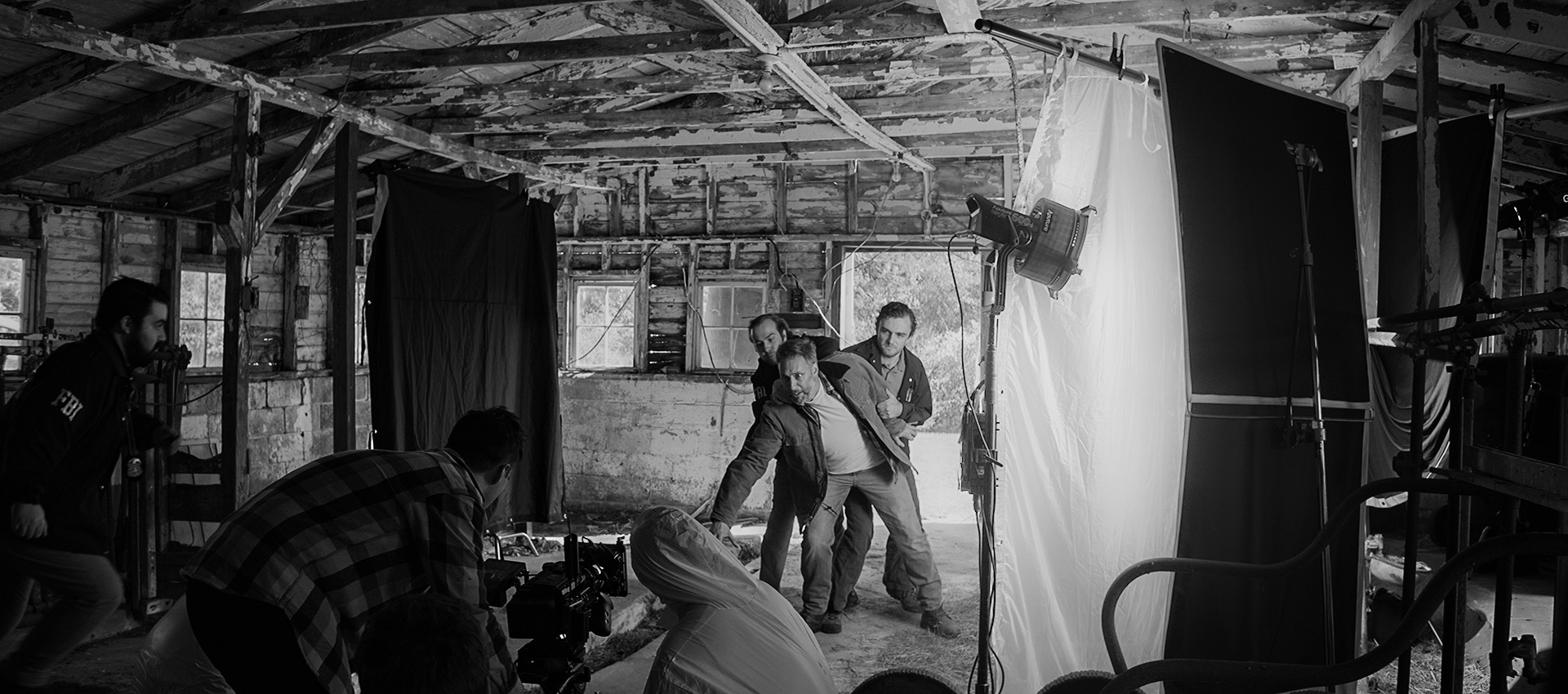
This year, we chose to shoot on the Blackmagic Ursa Mini Pro 4.6k G2 in conjunction with the
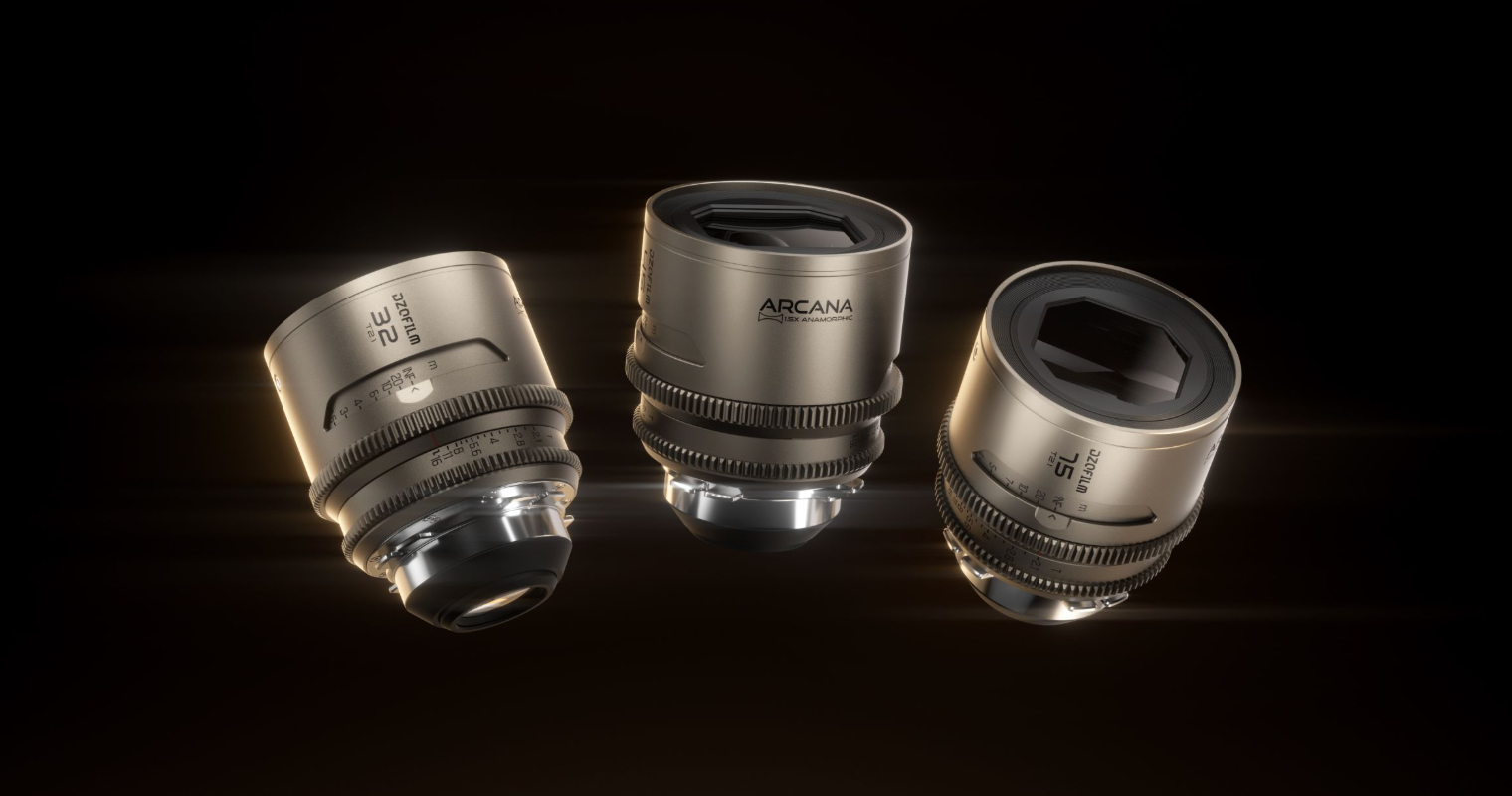
DZO Pavo Anamorphic lenses. The images these lenses captured completely exceeded my
expectations. It was incredibly refreshing to see a lens manufacturer fully embrace the
anamorphic qualities that so many cinematographers adore. From the unique distortion to the
soft, swirling bokeh, the lenses created an image that was not only captivating but also
wonderfully smooth and organic.
- What do you think about DZOFILM Pavo Anamorphic lenses after using? Why you chose Pavo
lenses for this project?
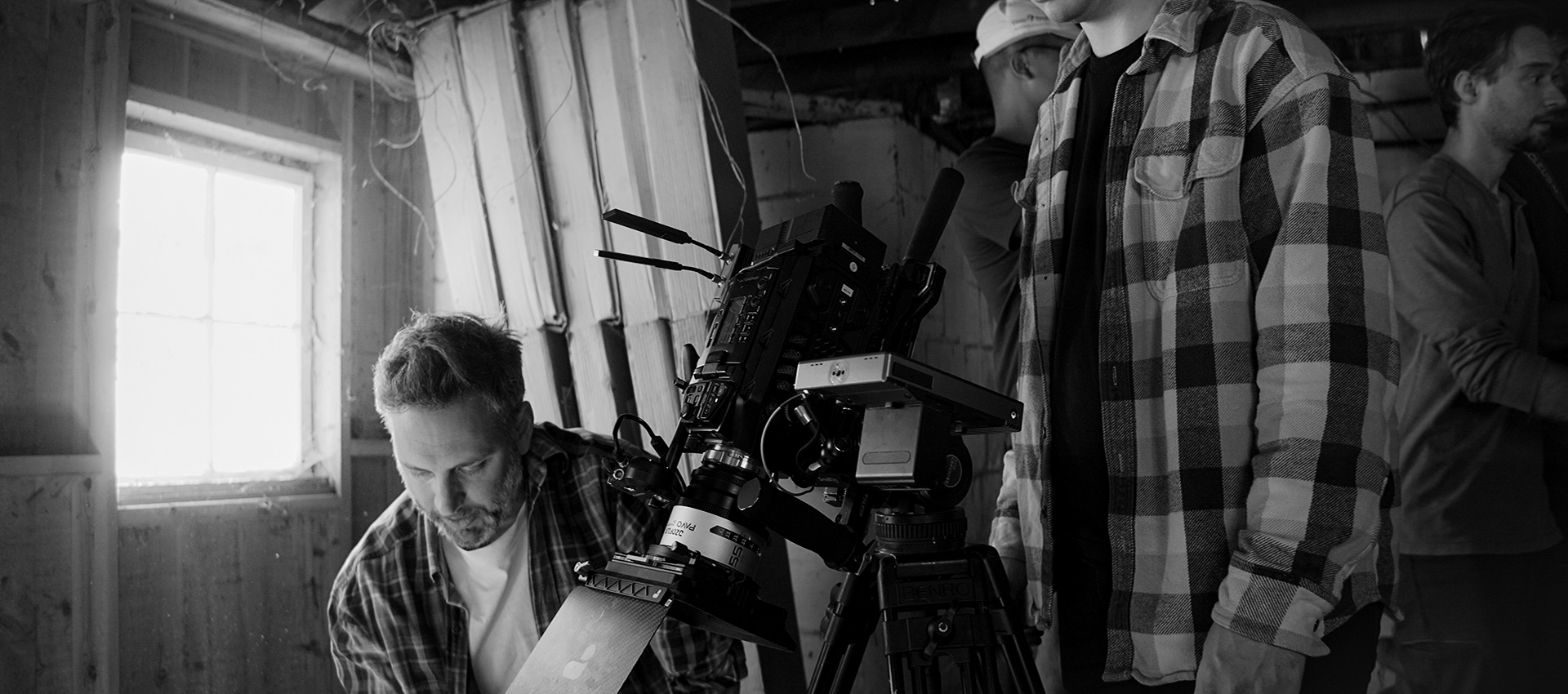
After using DZO’s Pavo Anamorphic lenses, I can confidently say they’ll be my first choice for any
project requiring anamorphic lenses. As I mentioned earlier, DZO has truly captured the
sought-after anamorphic qualities and seamlessly integrated them into the Pavo lineup. We
pushed these lenses to the limit in challenging lighting situations, from candlelight to harsh
outdoor sunlight, and they performed flawlessly thanks to the fast aperture and lens coating
respectively. Beyond the visual character, I also appreciate the versatility, compact size, and build
quality. The uniform gear placement allowed us to swap lenses quickly without needing to adjust
the focus motor, keeping us efficient and on track throughout the shoot.
6.Based on your on-set experience, what innovative features would you like to see in DZOFILM's
future products?
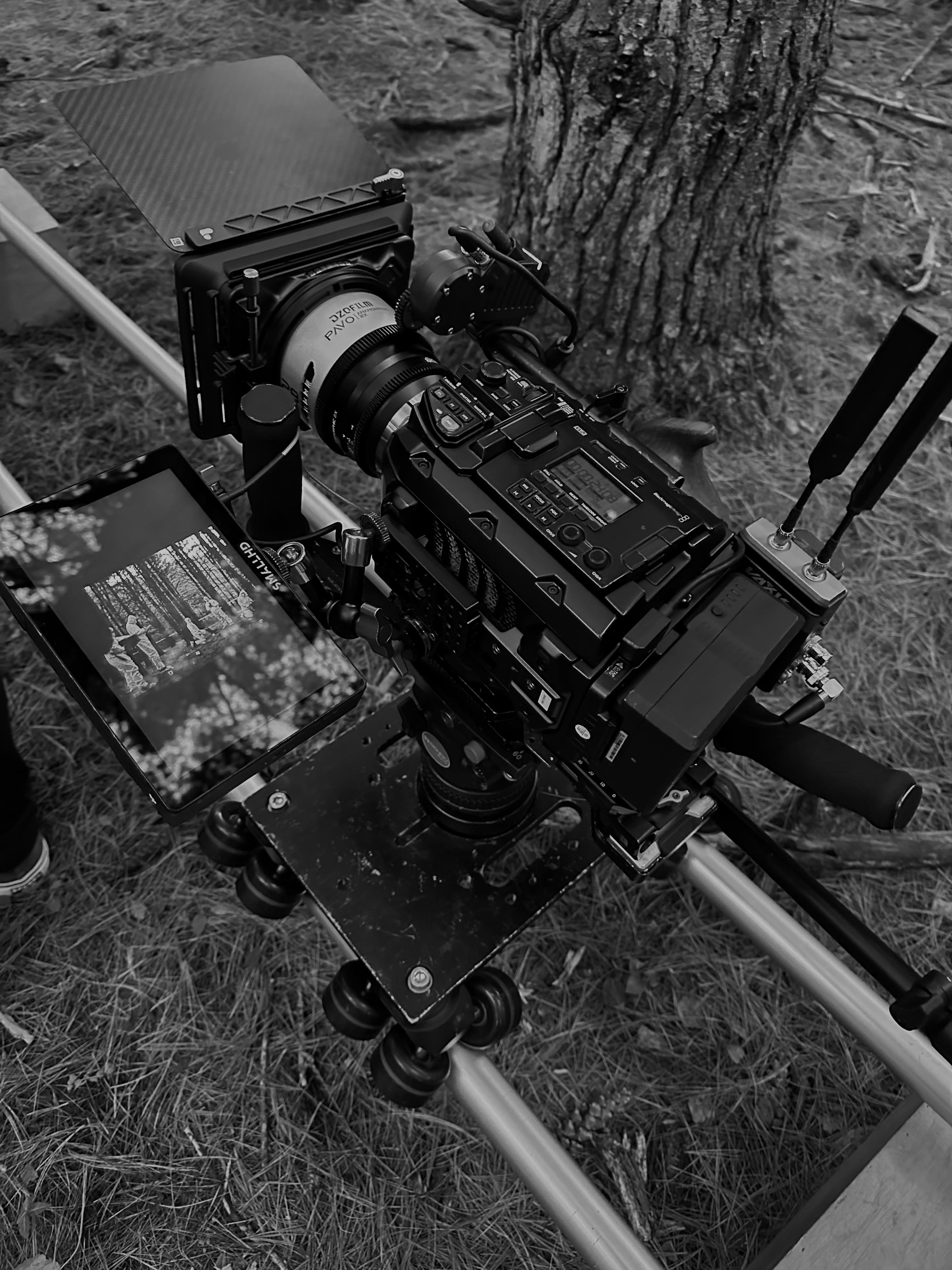
I’m excited to see DZO continue to embrace the principles and lens qualities in the pavo lenses in
any new lenses they’re developing. The way they’re pushing the boundaries is impressive, and
I’m eager to see where they go next. Additionally, the back focus adjustment on these lenses is a
total game changer—it adds a level of flexibility and precision that makes a real difference on set.